Table Of Contents
Potential for Damage
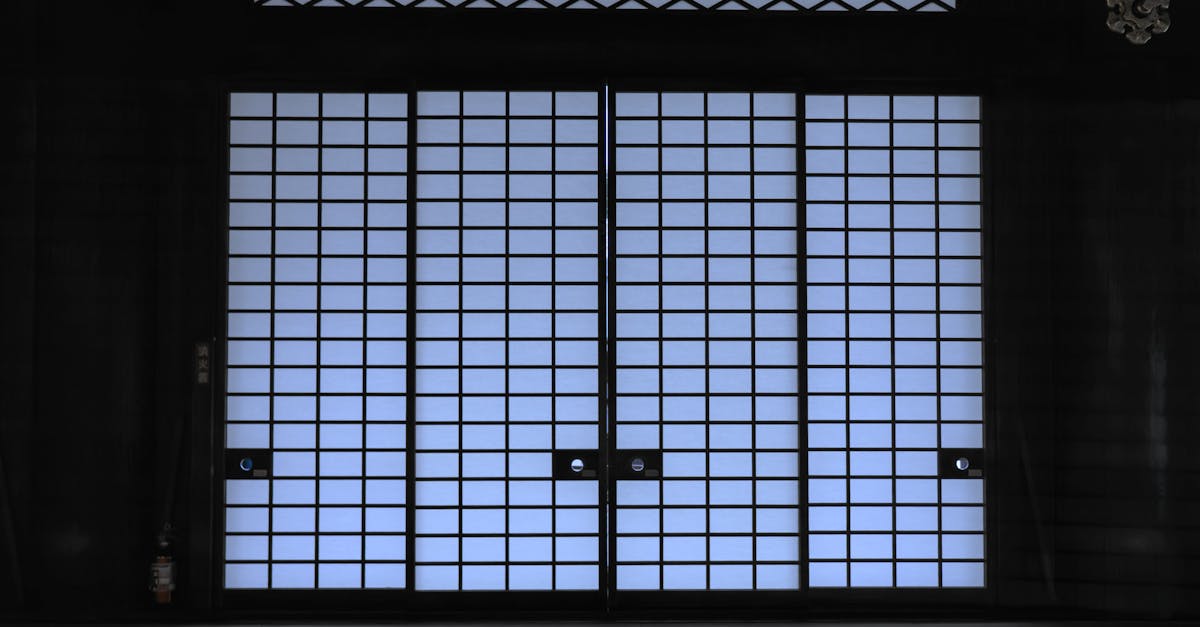
Sliding doors, while aesthetically pleasing and space-saving, can be susceptible to various forms of damage. Regular usage may lead to wear and tear, particularly on the tracks and rollers, which can compromise the doors’ functionality. When poorly maintained, these components can become misaligned, causing the doors to stick or jam. This not only creates frustration for users but may also necessitate costly repairs or replacements over time.
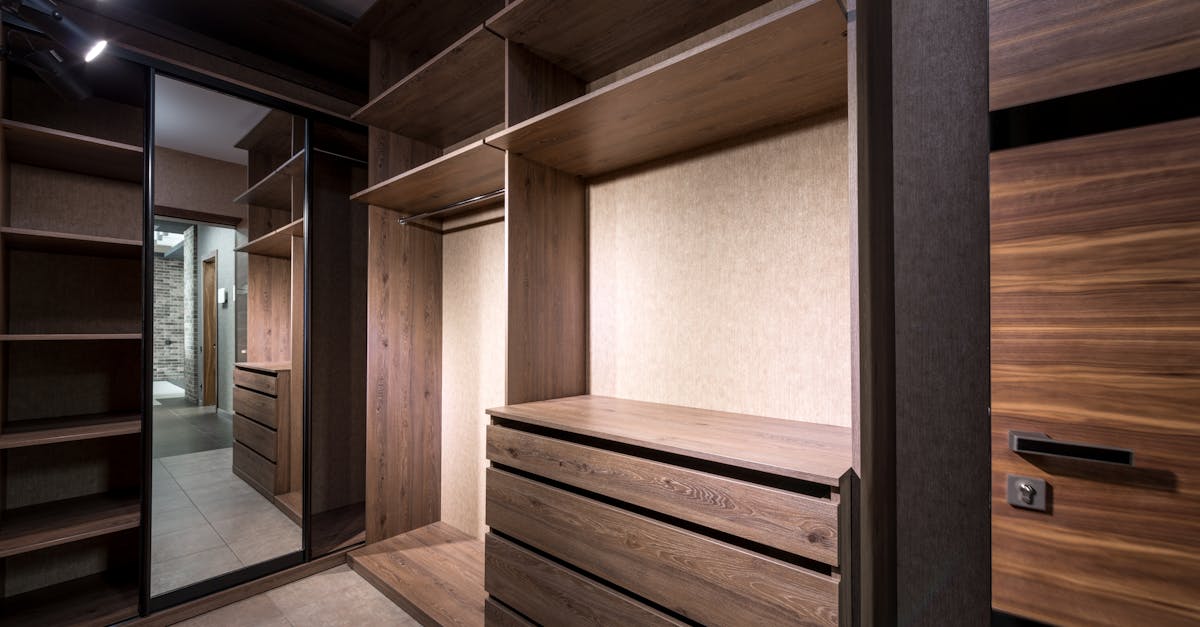
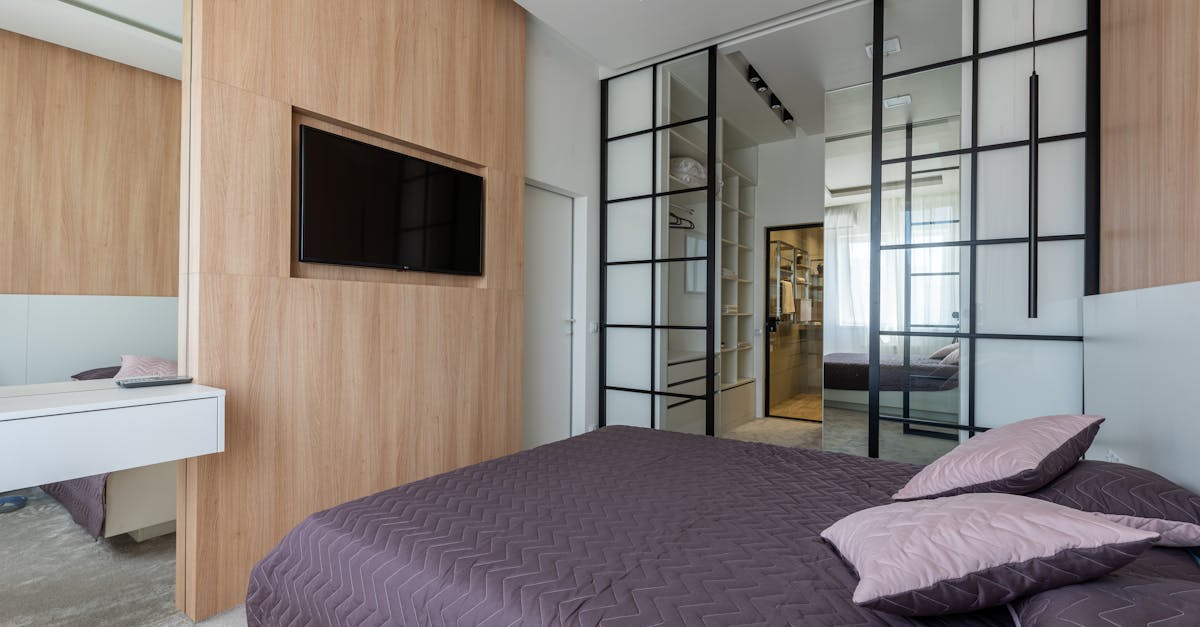
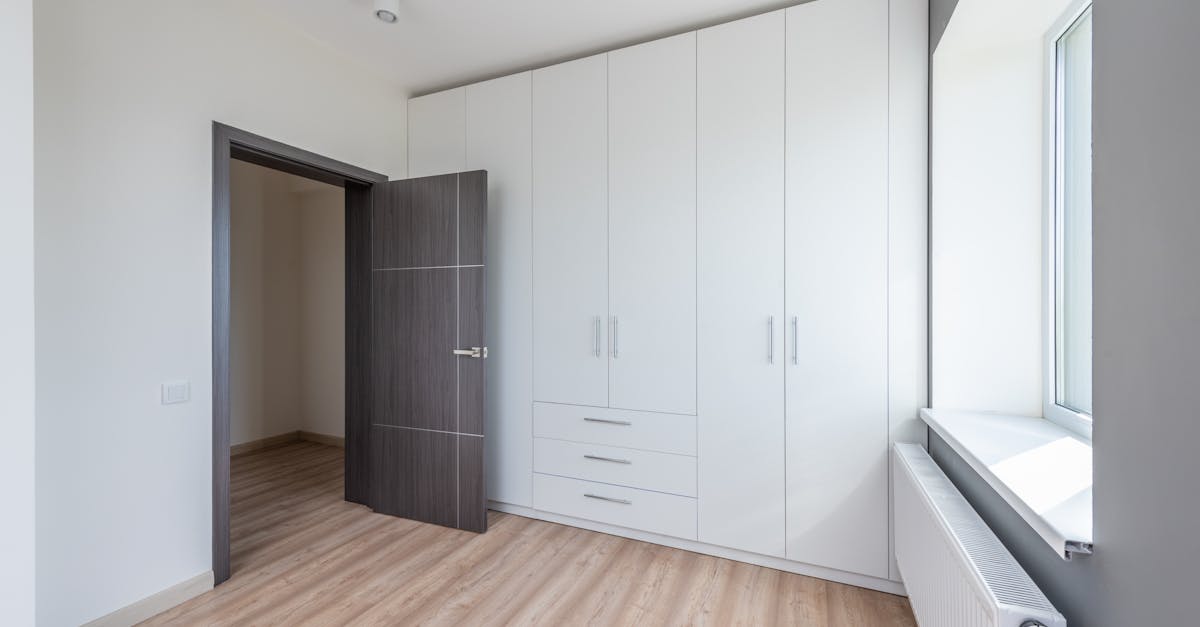
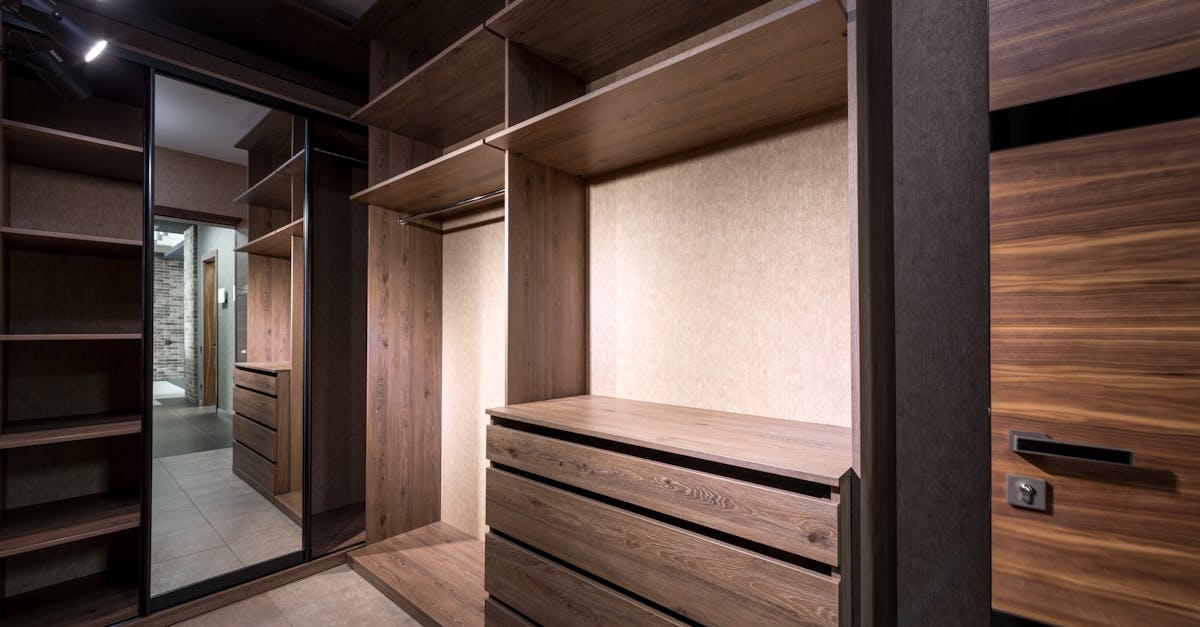
In the context of cabinetry, Sliding Door Wardrobes often face similar issues. The frequent opening and closing can lead to scratches on the door surface, especially if they are made from delicate materials. Additionally, their design may limit access to the interior, making it easier for items to get damaged or for the wardrobe itself to accumulate dust or dirt in hard-to-reach areas. Thus, while sliding wardrobes offer practical benefits, their potential for damage should be carefully considered before installation.
Vulnerability to Weather Elements
Sliding doors can often struggle to keep out severe weather conditions. When heavy rain or strong winds strike, poor seals or worn mechanisms may lead to water leaks and draughts. This becomes a critical issue, especially for structures located in areas with frequent storms or fluctuating temperatures. Regular maintenance is necessary to ensure that the door systems remain effective in protecting against the elements, but even with care, some designs may not hold up well over time.
In addition to functionality, the performance of sliding door wardrobes can also be hindered by extreme weather. If the materials used are not rated for moisture resistance, there's a possibility of warping or degrading over time. This can compromise the integrity of the wardrobe and necessitate costly repairs or replacements, which homeowners may find frustrating. Investors should closely evaluate the construction and installation quality to mitigate potential vulnerabilities related to weather exposure.
Less Aesthetic Flexibility
Sliding doors can limit aesthetic flexibility in interior design. Their fixed pathway and specific frame styles often do not easily accommodate diverse décor themes. Homeowners may find it challenging to customise the look of the space to match personal taste or changing trends. Unlike traditional hinged doors, which can be painted or replaced with different styles, sliding doors often require a more significant investment to change the overall aesthetic.
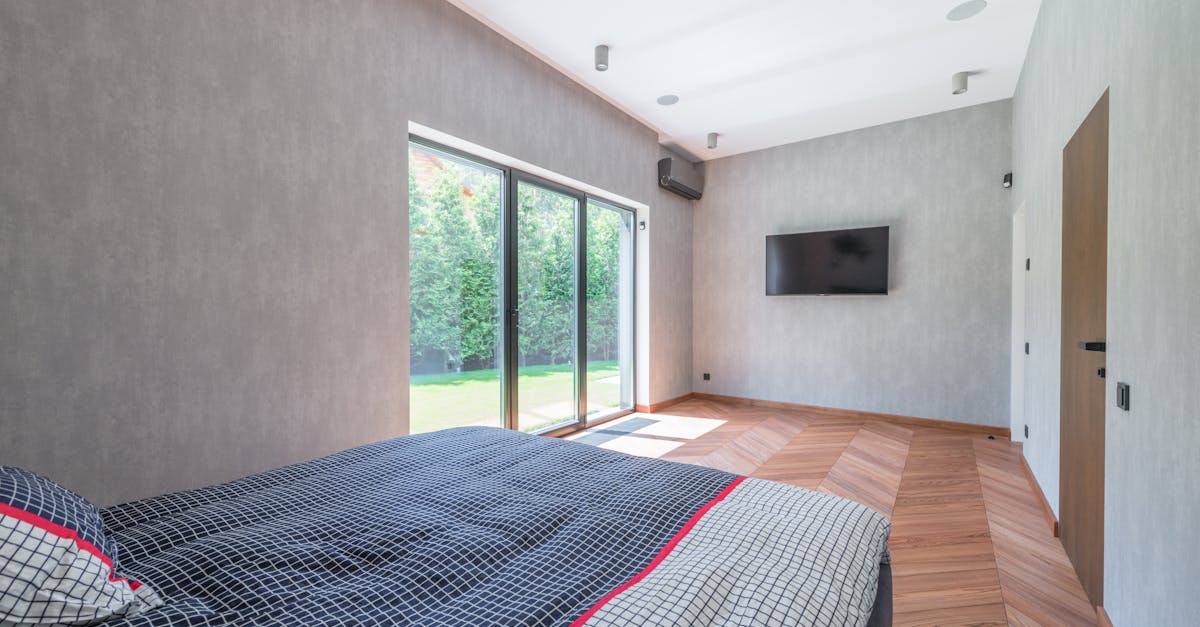
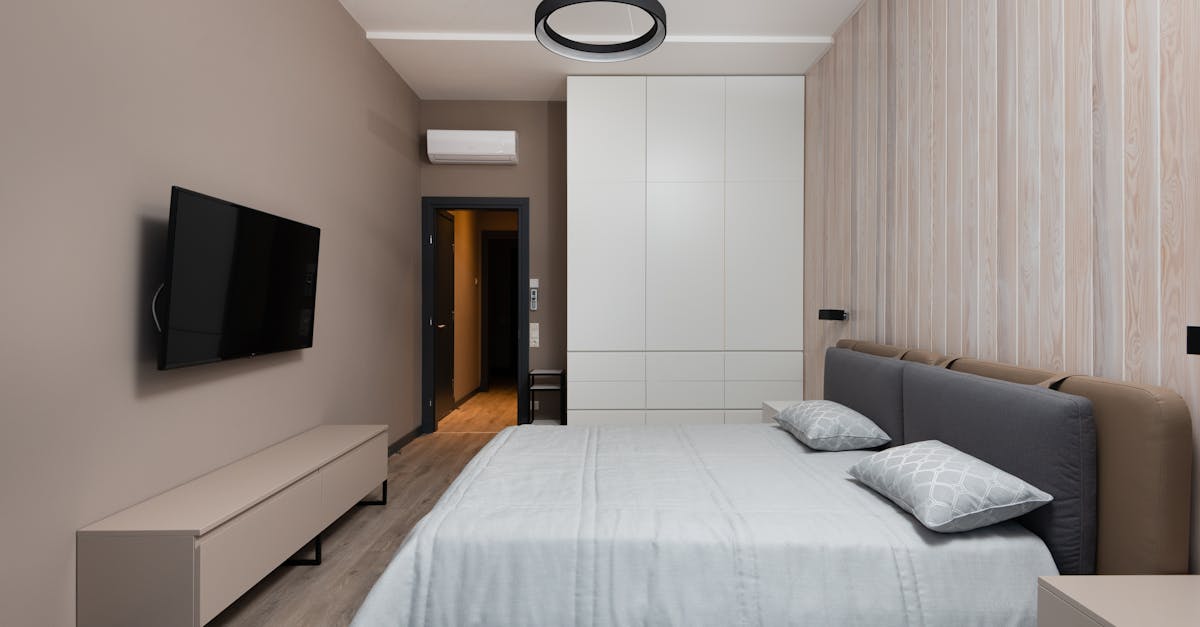
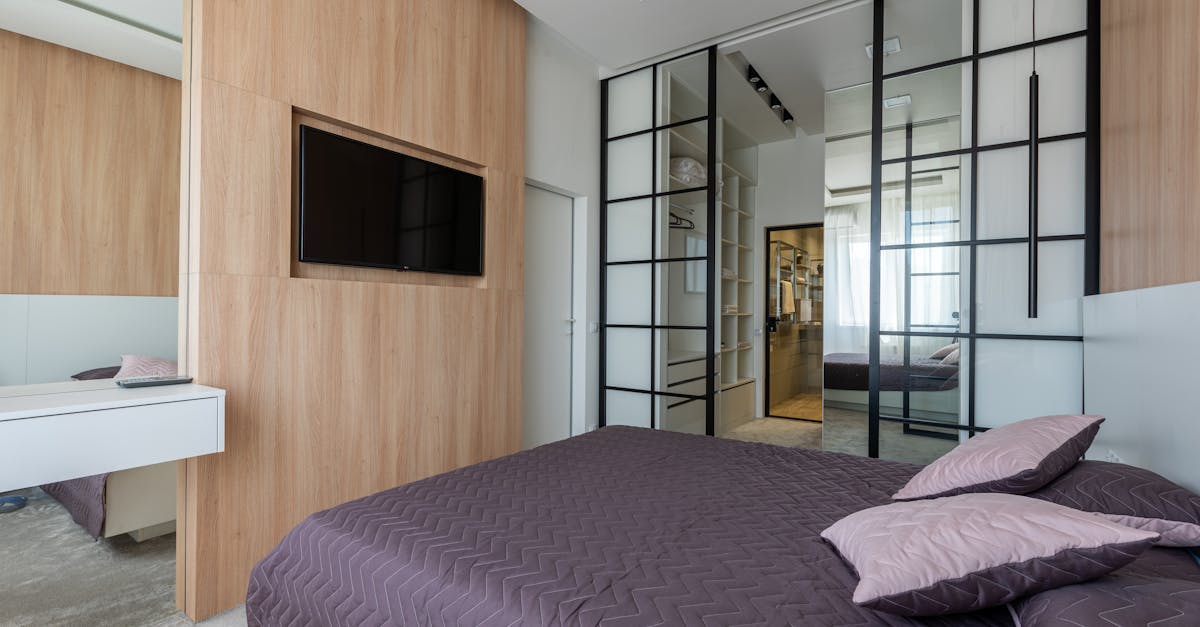
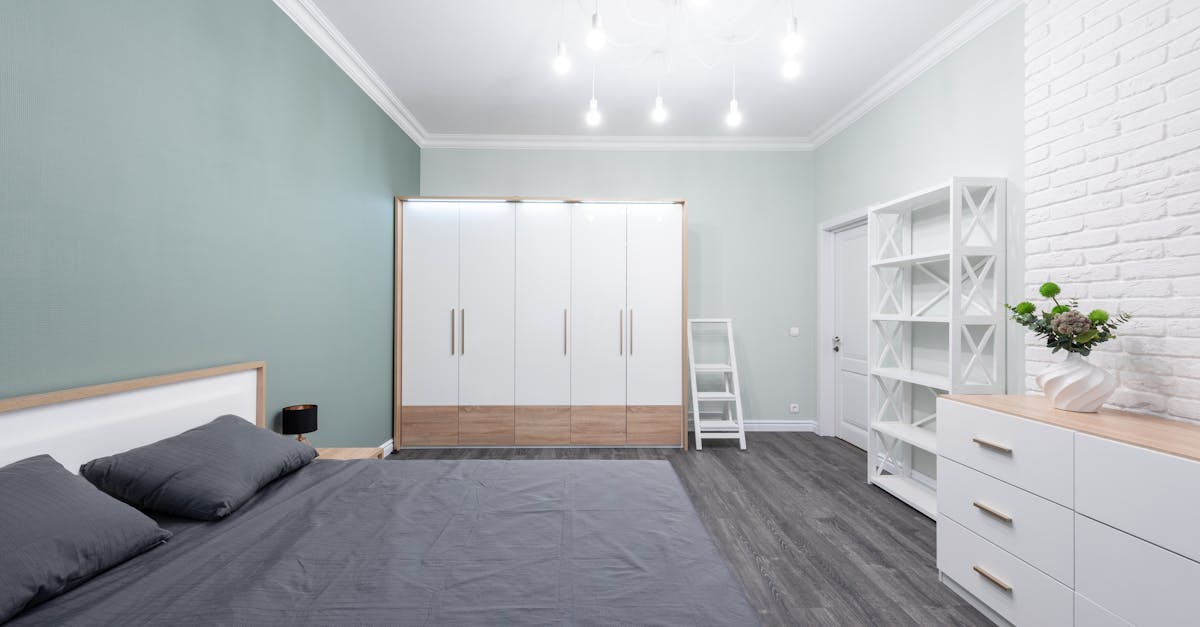
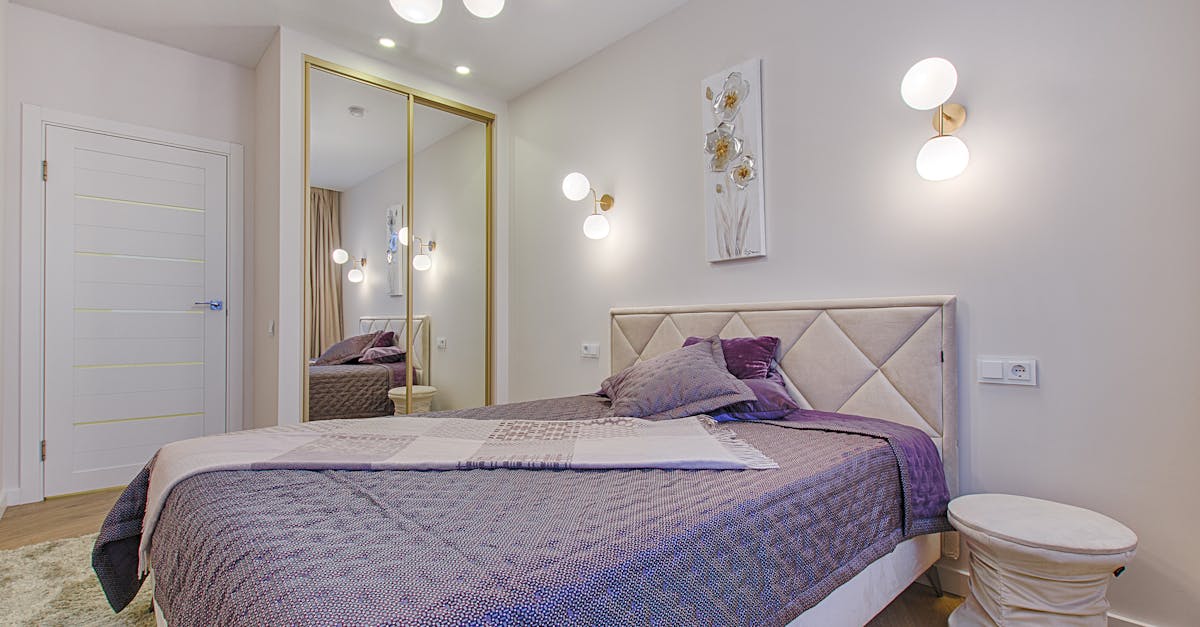
In spaces like bedrooms, sliding door wardrobes can become a focal point or an eyesore depending on their design. Standard sliding doors tend to mirror the minimalistic style but may clash with more elaborate or classic décor preferences. This poses a challenge for homeowners seeking harmony in their design choices, as the lack of variety in sliding door styles can restrict creative expression. The design limitations may lead to a less personalised and unique environment compared to alternatives that offer more options.
Design Limitations
Sliding doors, while popular for their space-saving qualities, often come with design limitations that can restrict their versatility in various settings. Many homeowners find that the size and configuration of sliding door wardrobes can limit their options when it comes to room layout. The fixed tracks can impede optimal furniture placement, making it challenging to create a cohesive and functional living space. This lack of flexibility can be particularly frustrating in smaller rooms where every inch counts.
In addition to spatial restrictions, sliding doors can present a challenge in achieving a specific aesthetic. Designers may struggle to harmonise these doors with certain decor styles, as their contemporary appearance does not suit every environment. For instance, traditional or rustic settings may clash with the sleek lines and minimalistic appeal of sliding door wardrobes. This mismatch can make it difficult for homeowners to fully realise their envisioned decor theme, leading to compromises in overall design harmony.
Cost Implications
When considering cost implications, sliding doors often involve higher initial expenses compared to traditional hinged doors. This price disparity arises from both the materials used and the complexity of the installation process. Sliding Door Wardrobes, for instance, usually incorporate tracks and rollers that can increase manufacturing and labour costs. Homeowners must factor these expenses into their budgets before making a decision.
Moreover, the potential for costly upgrades should not be overlooked. While some homeowners may initially opt for basic models, they might later find the need to enhance their sliding doors with customised features or high-quality finishes. Such upgrades can significantly increase the overall investment, turning what initially seemed like an attractive choice into a more expensive venture in the long run.
Pricey Upgrades
When considering the purchase of sliding doors, it's essential to be aware of the potential costs involved. Not only do these doors often have a higher initial price point compared to traditional options, but additional expenses can arise from the installation process, especially if the frames require modification to fit specific spaces. Upgrades to enhance functionality, such as soft-close mechanisms or customised finishes, further add to the overall investment. Homeowners should also factor in potential maintenance costs over time.
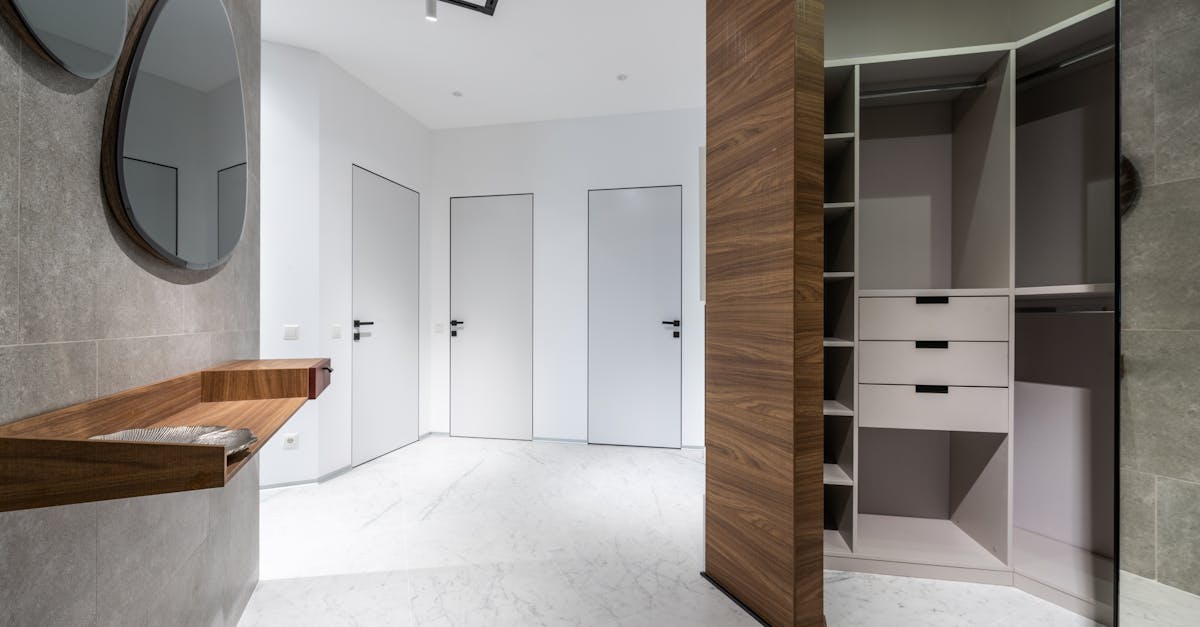
In the realm of interior design, opting for sliding door wardrobes can lead to increased costs as well. Constructing custom wardrobes with sliding doors often requires specialised materials and craftsmanship, which can elevate the budget significantly. Customers may find themselves spending more than anticipated when choosing bespoke models that cater to their unique needs and preferences. Understanding these financial implications from the outset is important to avoid unexpected expenses.
FAQS
What are the main disadvantages of sliding doors?
The main disadvantages of sliding doors include their potential for damage, vulnerability to weather elements, less aesthetic flexibility, design limitations, and higher cost implications for upgrades.
Why are sliding doors considered vulnerable to weather elements?
Sliding doors can be susceptible to drafts, rain, and extreme temperatures, which may lead to inefficiencies in insulation and could potentially cause water damage if not properly sealed.
What design limitations are associated with sliding doors?
Sliding doors often require specific framing and space, limiting their placement options. Additionally, they may not fit all architectural styles, resulting in a less cohesive look in some homes.
Are sliding doors more expensive than traditional doors?
Yes, sliding doors can be pricier than traditional doors due to their construction, materials, and the need for additional hardware or tracks, making them a more significant investment.
What types of upgrades can increase the cost of sliding doors?
Upgrades such as enhanced security features, better insulation, custom designs, or premium materials can significantly increase the overall cost of sliding doors.