Table Of Contents
Glass Elements in Wardrobe Design
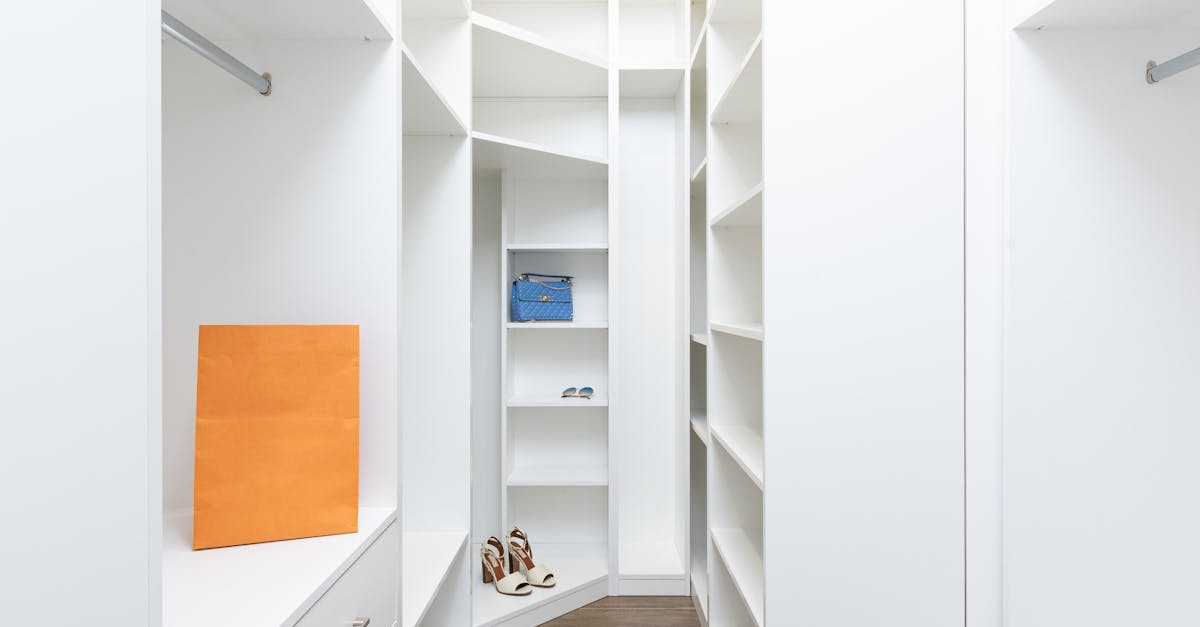
Incorporating glass elements into wardrobe design can greatly enhance the aesthetic appeal of corner wardrobes. Glass doors or panels create a sleek, modern look while allowing for visibility of the contents inside. This transparency can make a corner wardrobe feel less bulky and more integrated into the surrounding space, particularly in smaller rooms where light and openness are essential. The use of frosted or tinted glass can also add a touch of privacy while maintaining a stylish appearance.
Beyond aesthetics, glass is remarkably functional in wardrobe design. It is relatively easy to clean and maintain compared to other materials. With proper treatment, glass can be made resistant to scratches and other wear, ensuring durability. For corner wardrobes, this means a blend of style and practicality that meets the need for efficient storage solutions without sacrificing design integrity. Adding glass shelving can further enhance the visual appeal, allowing items to be displayed elegantly while keeping them organised.
Enhancing Visual Space with Glass
Incorporating glass elements into corner wardrobes can significantly enhance the aesthetics and perceived space of a room. The transparency of glass creates a sense of openness, allowing light to flow through seamlessly. This effect is particularly advantageous in small or compact living areas where every visual trick counts. Designers often use glass panels for doors or inserts, making the entire wardrobe feel lighter and less imposing.
Frosted or clear glass can also be employed to achieve different stylistic effects while maintaining a modern look. A mirrored finish on glass not only reflects light but also gives an illusion of depth, making a room appear larger than it actually is. By strategically placing corner wardrobes with glass features, homeowners can maximise light distribution and create a visually engaging focal point within their space.
Combining Materials for Functionality
Mixing different materials in corner wardrobes can elevate both functionality and aesthetics. Combining wood with metal can create a striking visual contrast while ensuring durability. Wood offers warmth and a classic feel, while metal can add a contemporary edge. This blend caters to various design preferences, enhancing the overall style of the wardrobe while ensuring it remains practical and long-lasting.
Incorporating glass elements into corner wardrobes can further enhance their functionality. Glass shelves or door panels can provide a modern touch while allowing visibility of contents. This transparency helps in keeping the space feeling open and less cluttered. Using high-quality materials for longevity ensures that the wardrobe not only serves its purpose but also contributes to the interior design effectively.
Innovative Material Combinations
Combining different materials can be an effective strategy for enhancing the functionality and aesthetic appeal of corner wardrobes. For instance, a combination of timber and metal can achieve a contemporary look while ensuring durability. Timber offers warmth and character, whereas metal accents can add a modern touch. This blend allows for various finishes and textures, appealing to a wide range of personal styles.
Another innovative approach involves the use of MDF or plywood along with glass elements. The lightweight nature of MDF makes it versatile for creating unique shapes and compartments, while glass panels can introduce a sense of openness and lightness. Incorporating mirrors within glass elements not only enhances the visual space but also serves practical purposes, such as helping users easily select outfits. This synergy of materials can elevate the practicality and elegance of corner wardrobes.
Eco-Friendly Materials for Wardrobes
Consumers are increasingly looking for eco-friendly materials when it comes to designing their corner wardrobes. Sustainable options such as bamboo and reclaimed wood provide a natural aesthetic while ensuring minimal environmental impact. Bamboo grows rapidly and is a highly renewable resource, making it an excellent choice for furniture. Reclaimed timber, salvaged from old buildings or furniture, significantly reduces waste and adds character to the wardrobe.
In addition to wood choices, eco-friendly finishes and hardware play a vital role in creating sustainable corner wardrobes. Low-VOC (volatile organic compound) paints and finishes are prevalent, as they emit fewer harmful chemicals into the air compared to traditional options. Using recycled metals for handles and hinges can further enhance the wardrobe's sustainability, contributing to a modern look without compromising ethical standards. These choices help declutter both living spaces and environmental impact.
Sustainable Choices for the Environment
When considering sustainable choices for corner wardrobes, opting for materials with a low environmental impact becomes essential. Reclaimed wood is an excellent option, as it repurposes timber that might otherwise contribute to landfill. This choice not only enhances the uniqueness of the wardrobe but also reduces the demand for new timber, promoting responsible forestry practices. Bamboo is another popular sustainable alternative due to its rapid growth and renewability, making it a smart choice for individuals looking to minimise their ecological footprint.
Additionally, eco-friendly finishes and adhesives play a crucial role in maintaining the sustainability of corner wardrobes. Water-based paints and low-VOC sealants reduce harmful emissions, ensuring a healthier indoor environment. Furthermore, incorporating recycled metal elements can add durability while promoting the recycling industry. By prioritising these materials and finishes, consumers can create stylish corner wardrobes that contribute positively to the planet’s health.
FAQS
What are the best materials for corner wardrobes?
The best materials for corner wardrobes include wood, MDF, plywood, glass, and metal. Each material offers unique benefits in terms of aesthetics, durability, and functionality.
How can glass elements enhance the design of a corner wardrobe?
Glass elements can enhance the design of a corner wardrobe by creating a sense of openness and allowing natural light to flow through the space, making the room feel larger and more inviting.
Are there eco-friendly materials suitable for corner wardrobes?
Yes, eco-friendly materials such as bamboo, reclaimed wood, and sustainably sourced plywood can be excellent choices for corner wardrobes, as they reduce environmental impact while providing stylish options.
What innovative material combinations can be used in corner wardrobes?
Innovative material combinations such as combining wood with glass or metal accents can enhance both the functionality and aesthetic appeal of corner wardrobes, offering a modern and stylish look.
How do I choose the right material based on my corner wardrobe’s functionality?
To choose the right material for your corner wardrobe, consider factors such as durability, weight capacity, and maintenance. For instance, if you require a lightweight yet sturdy option, MDF or plywood may be ideal, while glass can be used for visual appeal.