Table Of Contents
Understanding the Timeline
Establishing a clear timeline is essential for the successful execution of your custom wardrobes project. Designers often have various commitments, so it's important to discuss lead times upfront. Factors such as the complexity of the design and the availability of materials can significantly influence the schedule. Having a detailed timeline will help manage expectations and ensure that both you and the designer are on the same page throughout the process.
Project milestones serve as benchmarks to keep the design on track. Discussing key phases such as consultation, design approval, fabrication, and installation can provide a structured approach to the timeline. This allows for flexibility in case adjustments are needed while ensuring that the project progresses smoothly. Open communication between you and your designer will result in a more enjoyable experience and help bring your vision for custom wardrobes to life.
Setting Realistic Project Milestones
When planning a custom wardrobe, establishing realistic project milestones is essential for ensuring a smooth design and installation process. Begin by discussing your timeline with the designer. They can help assess how long each phase will take, from initial consultations to design approvals and final installation. This transparency helps manage expectations, allowing you to prepare for each stage effectively.
Breaking down the project into smaller, manageable milestones encourages a more organised workflow. Rather than seeing the entire process as one lengthy task, this approach enables you to celebrate smaller achievements. Setting these incremental goals for your custom wardrobes creates a sense of progress and keeps motivation high throughout the project. Each milestone can serve as a feedback point, allowing you to make necessary adjustments along the way.
Customisation Options
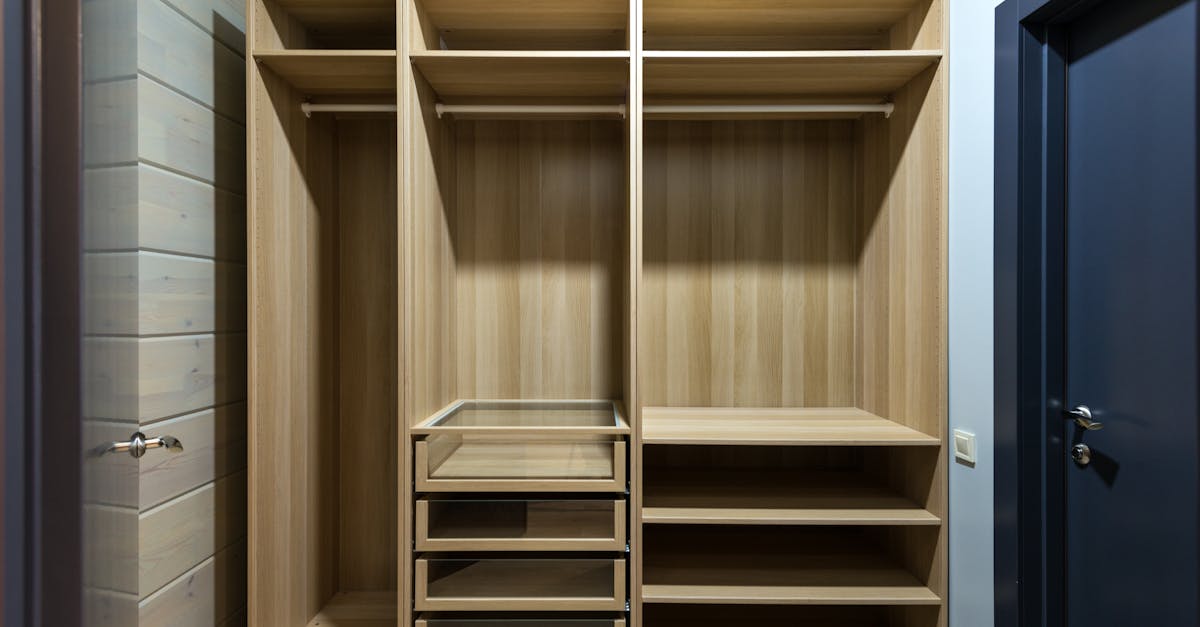
When embarking on the journey of custom wardrobes, it's vital to explore the myriad of customisation options available. Features such as colour palettes, hardware types, and layout configurations can be tailored to your taste and lifestyle. Assessing your storage needs will influence choices, from drawer styles to hanging capacity. Each element can be adjusted to create a wardrobe that not only meets your functional requirements but also reflects your personal aesthetic.
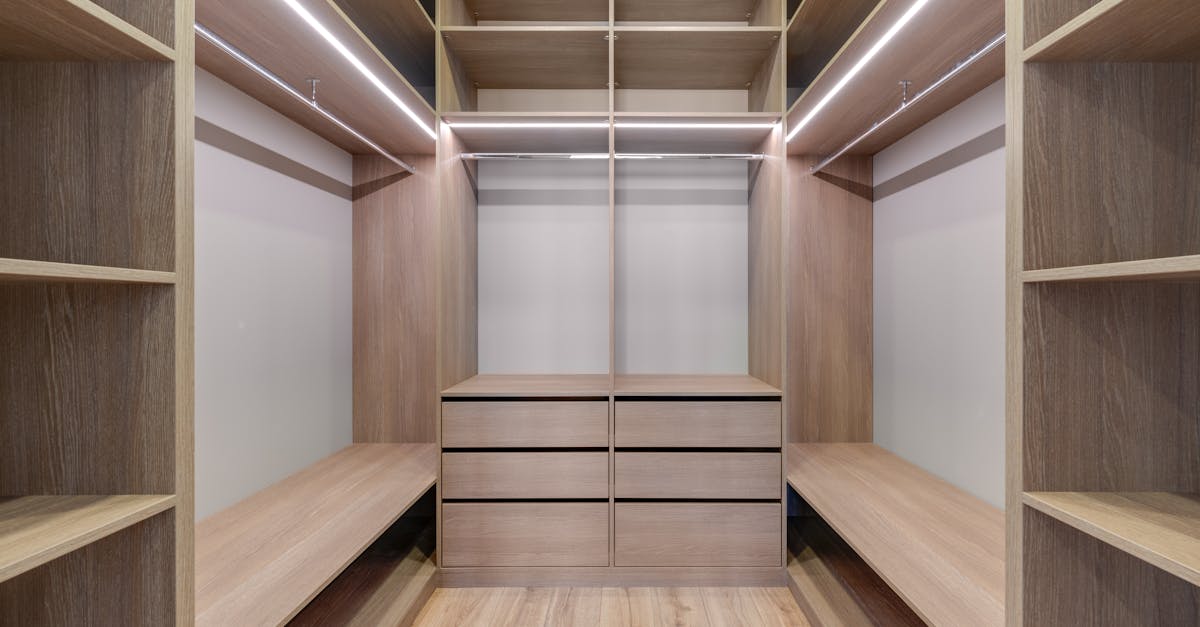
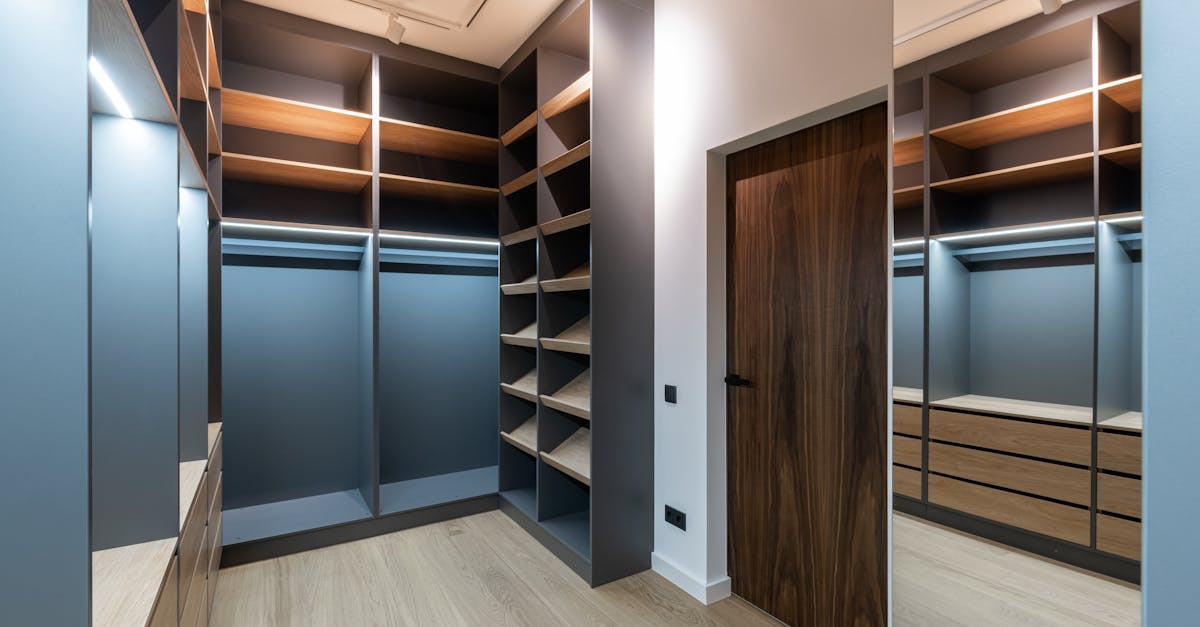
In addition to design aesthetics, consider personalised features that enhance usability. Options like integrated lighting, pull-out shelves, and adjustable hangers can increase the practicality of your custom wardrobes. Think about including specialty compartments for accessories or shoes, which can help maintain organisation. Customisation not only promotes a unique look but also elevates the overall experience of using your wardrobe daily.
Exploring Personalised Features
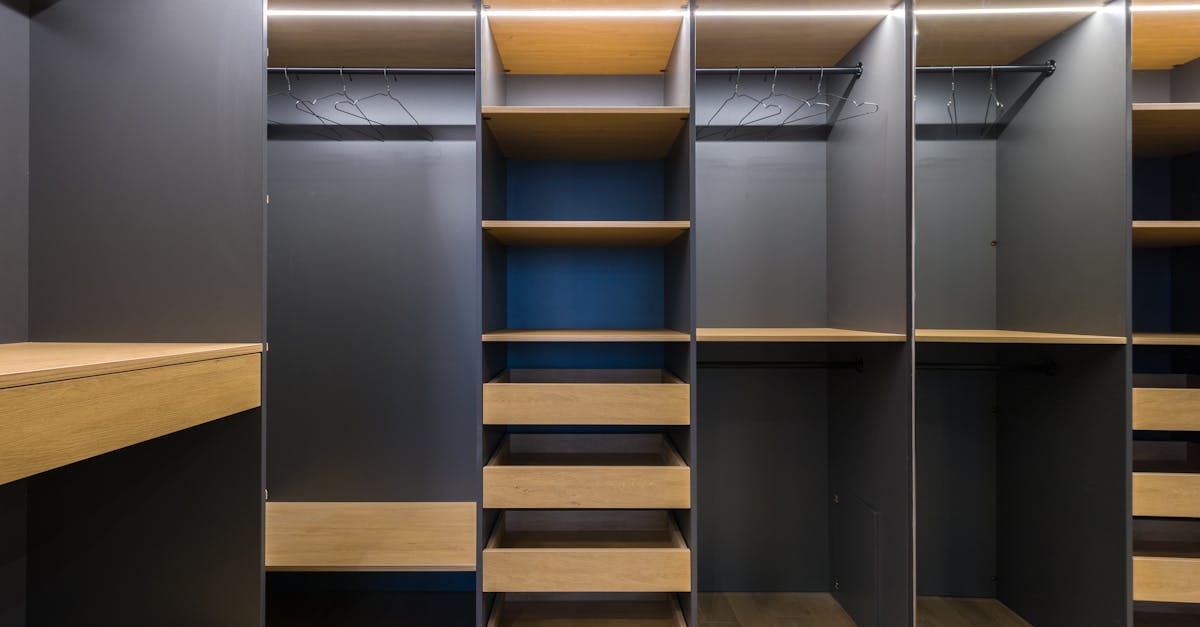
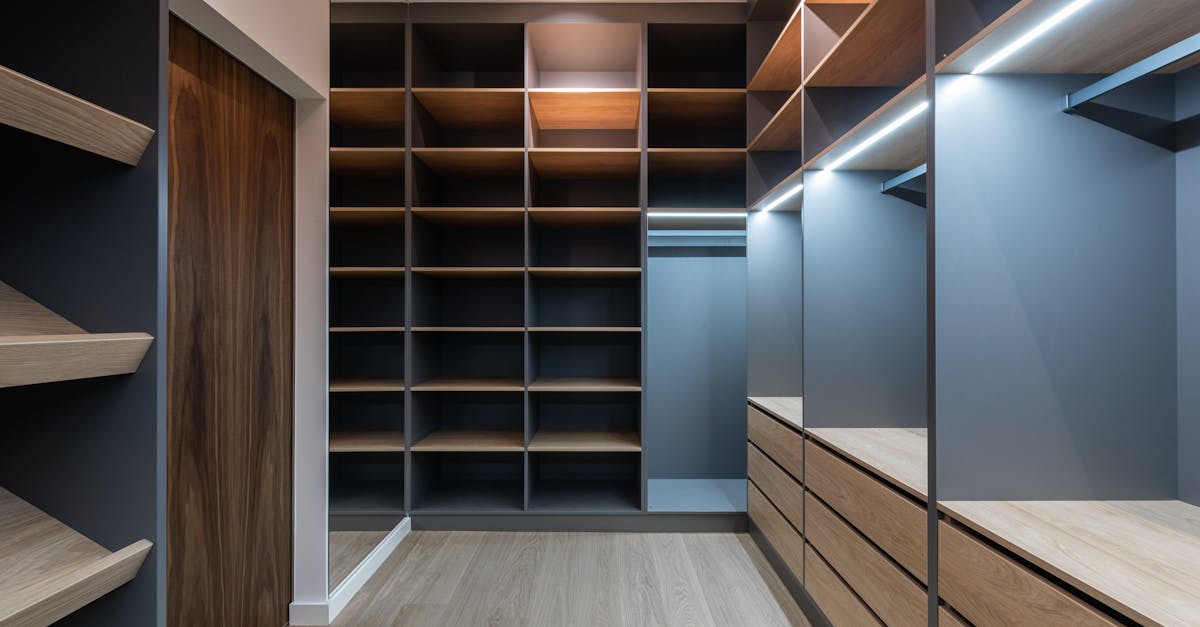
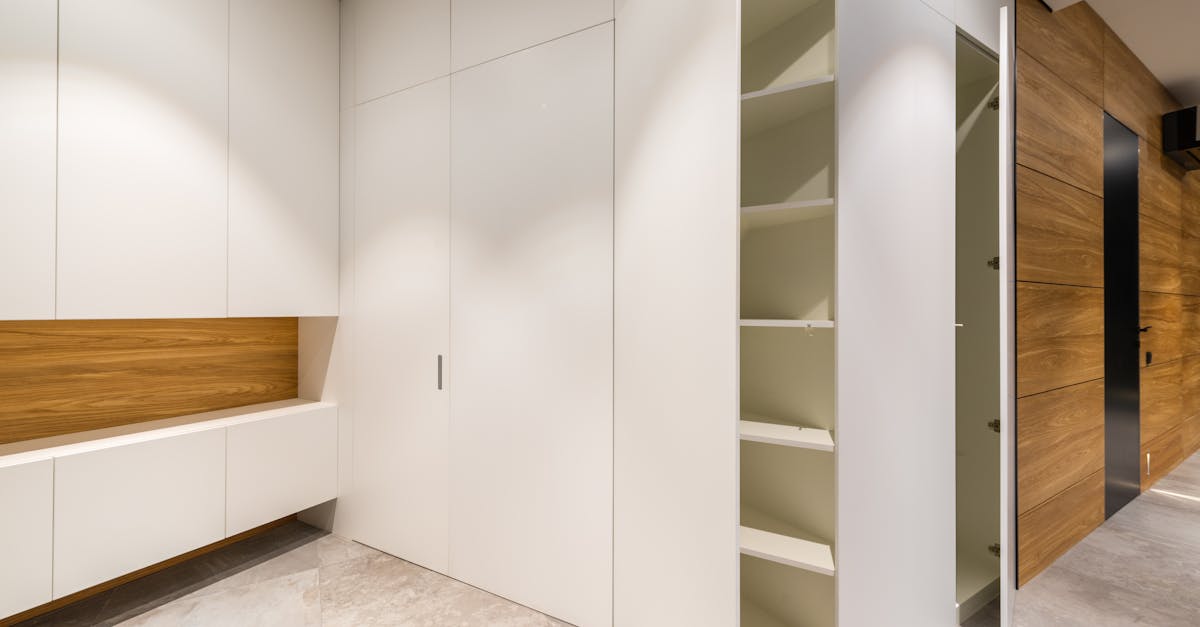
When planning your custom wardrobes, exploring personalised features can significantly enhance both aesthetics and functionality. Consider elements such as unique finishes, custom hardware, and tailored storage solutions that suit your lifestyle. Incorporating features like pull-out drawers, built-in lighting, and adjustable shelving allows for a wardrobe that truly caters to your needs. Each of these choices not only contributes to the overall design but also adds a sense of individuality to the space.
Another important aspect is the selection of colours and materials. Custom wardrobes can be designed to match or complement your existing decor, ensuring a seamless transition throughout your home. Personalising your wardrobe with choice finishes such as matte, gloss, or wood-grain can create a cohesive look that reflects your style. Engaging with your designer about these options will help create a wardrobe that is not only functional but also a genuine expression of who you are.
Sustainability Choices
Sustainability has become a significant consideration in the design and production of custom wardrobes. Many designers now offer eco-friendly materials that can minimise the environmental impact of your project. Options such as sustainably sourced timber, recycled materials, and low-VOC finishes not only contribute to a healthier planet but also enhance the overall aesthetic of your wardrobe.
When discussing your custom wardrobes with a designer, inquire about certifications and the lifecycle of the materials used. Understanding the sourcing practices and production methods can provide peace of mind. More than just a style statement, a sustainably designed wardrobe can reflect your values while serving practical purposes in your living space.
Eco-Friendly Material Options
When considering eco-friendly materials for custom wardrobes, it's essential to explore sustainable options that align with your values. Look for hardwoods sourced from responsibly managed forests and ensure any engineered wood products are made from recycled materials. Bamboo is a popular choice due to its rapid growth and low environmental impact. Each material not only contributes to sustainability but can also enhance the overall aesthetic of your wardrobe.
Another aspect to consider is the finishes used on your custom wardrobes. Eco-friendly paints and varnishes provide a safer alternative to traditional options, reducing harmful chemical emissions in your home. Australian manufacturers are increasingly offering natural finishes that are biodegradable. By choosing these sustainable materials, you contribute to a healthier living space while enjoying the unique beauty and longevity of your custom wardrobe.
FAQS
What questions should I ask my designer about the timeline for my custom wardrobe?
It's important to inquire about the overall project duration, specific milestones, and any factors that could influence the timeline, such as material availability or design complexity.
How can I ensure that the customisation options reflect my personal style?
Discuss your preferences in detail with your designer, including any inspirations, colour schemes, and specific features you envision. Sharing images or examples can also help convey your style.
What sustainable materials should I consider for my custom wardrobe?
Ask your designer about eco-friendly materials such as reclaimed wood, bamboo, or low-VOC finishes. They can provide insights into sustainable brands and options that align with your values.
How do I determine the right features for my custom wardrobe?
Consider your storage needs and lifestyle when discussing personalised features with your designer. Ask for recommendations based on your wardrobe usage, such as built-in lighting, adjustable shelving, or specialised compartments.
What is the best way to communicate my budget to my designer?
Be upfront about your budget from the start. Discuss what aspects are most important to you and ask for options that can fit within your financial parameters while still achieving your design goals.