Table Of Contents
Sustainable Practices in Custom Wardrobe Production
Sustainable practices in the custom wardrobe production process are becoming increasingly important as consumers seek to minimise their environmental impact. Designers are now opting for eco-friendly materials such as organic cotton, bamboo, and reclaimed wood. These materials not only reduce the carbon footprint associated with traditional fabric and timber sourcing but also promote a circular economy. By prioritising sustainability, the industry is moving towards more responsible use of resources while meeting the growing demand for custom wardrobes.
Moreover, advancements in technology enable more efficient manufacturing processes that significantly reduce waste. Modern production techniques such as 3D printing allow for precise cuts and designs, ensuring that material use is maximised while waste is minimised. When consumers choose custom wardrobes, they are not only selecting a personalised option but also contributing to a more sustainable fashion industry. This shift towards environmentally conscious production illustrates the potential for custom wardrobes to align with broader sustainability goals.
Technology's Role in Reducing Waste and Eco-Friendly Options
Advancements in technology have significantly improved the efficiency of producing custom wardrobes, leading to a reduction in material waste. Innovative design tools allow manufacturers to create precise measurements and specifications tailored to individual needs. This accuracy minimises excess material that would otherwise contribute to landfill. Digital patterns and 3D modelling further streamline the process, ensuring that every piece is carefully crafted according to the customer's requirements, enhancing sustainability in the production phase.
Additionally, many companies are exploring eco-friendly materials in their custom wardrobe offerings. Sustainable options such as bamboo, recycled wood, and low-VOC finishes have gained popularity as consumers become more environmentally conscious. Technologies like computer-aided design (CAD) software not only expedite the design process but also enable a greater focus on incorporating sustainable practices throughout the creation of custom wardrobes. By embracing these technological advancements, the fashion industry can make strides towards a greener future while still meeting consumer demands for unique and personalised wardrobe solutions.
Online Platforms for Custom Wardrobe Services
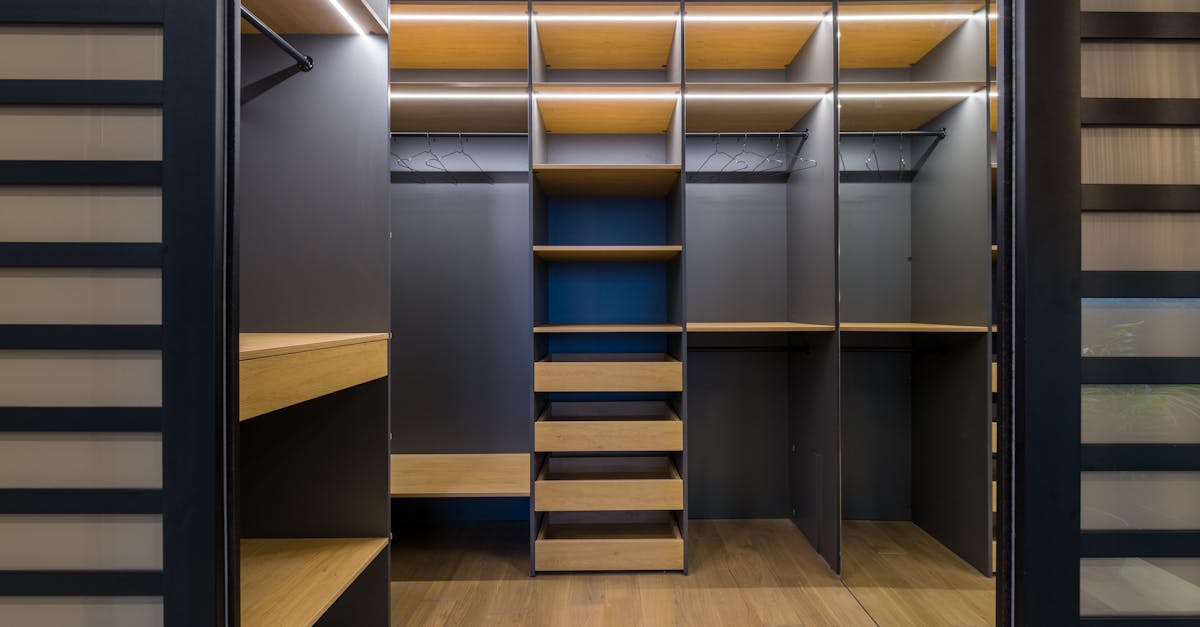
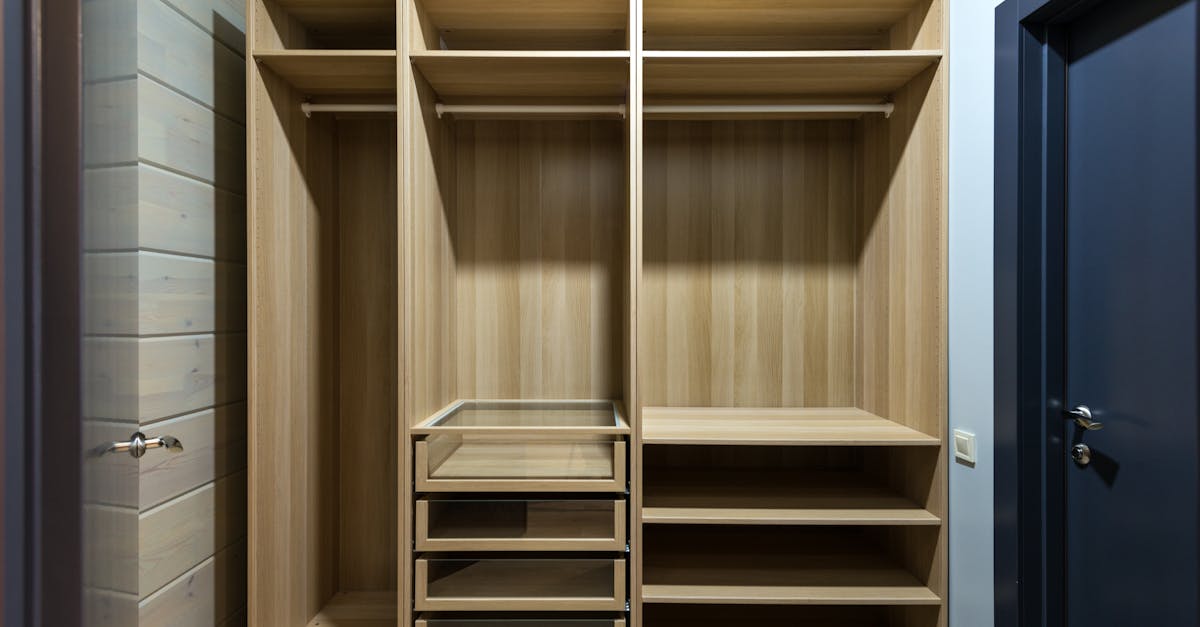
The rise of online platforms has transformed the way consumers approach custom wardrobe services. With just a few clicks, individuals can explore a vast array of designs and styles tailored to their preferences. From sleek modern aesthetics to classic wooden finishes, these platforms offer a range of options that cater to diverse tastes. Brand partnerships with skilled artisans allow users to engage directly with creators, ensuring a personalised experience that aligns closely with their vision for custom wardrobes.
E-commerce has made it increasingly accessible for consumers to order custom wardrobes without the constraints of geographic boundaries. Customers can now easily compare prices, materials, and reviews, empowering them to make informed choices. The convenience of online consultations further enhances the experience, enabling designers to capture specific requirements and desires. This focus on user experience not only streamlines the design process but also fosters a community of individuals passionate about creating unique storage solutions for their homes.
The Growth of E-Commerce in Fashion Customisation
E-commerce has transformed the landscape of fashion customisation, allowing consumers to design and order custom wardrobes with unparalleled convenience. Online platforms enable users to select materials, colours, and styles from the comfort of their homes. This accessibility has made personalised wardrobe options more attainable for a broader audience. As technology advances, the integration of augmented reality tools further enhances the shopping experience, allowing customers to visualise their designs before making a purchase.
The rise of e-commerce in this sector reflects changing consumer behaviour, with many seeking unique and bespoke solutions for their living spaces. Traditional retail models struggle to keep pace with the demand for personalised items, pushing retailers to innovate their offerings. Custom wardrobes now can be tailored not just to aesthetic preferences but also to individual lifestyles, integrating functionality with style. This shift highlights a growing trend towards individuality in home design, as consumers increasingly prioritise bespoke solutions over mass-produced alternatives.
The Influence of Social Media on Wardrobe Trends
Social media platforms have become powerful tools for influencing wardrobe choices, particularly in the realm of custom wardrobes. Visual content shared by influencers and fashion enthusiasts showcases unique designs and personalised styles, inspiring users to seek one-of-a-kind pieces that reflect their individuality. As trends emerge and evolve at a rapid pace, the ability to see a variety of custom wardrobe options on platforms like Instagram and Pinterest encourages consumers to consider bespoke solutions.
Moreover, social media facilitates direct interaction between brands and consumers, allowing for greater engagement in the customisation process. Users can share their preferences and receive immediate feedback on potential designs from their online community. This interaction not only fosters a sense of connection between the consumer and the product but also impacts the direction of trends, as custom wardrobes gain popularity and visibility in a saturated market.
How Platforms Shape Consumer Preferences for Custom Designs
Social media platforms have become powerful tools for influencing consumer choices in the realm of custom wardrobes. Influencers frequently showcase their own unique designs, encouraging followers to seek personalised options that reflect their individual styles. The visibility of these custom creations fosters a desire for bespoke pieces, moving consumers away from mass-produced clothing.
Moreover, user-generated content plays a significant role in shaping preferences. When customers share their custom wardrobe experiences online, it builds a sense of community and validation. This encourages others to consider custom wardrobes as a viable option, enhancing the appeal of tailored designs. Engaging with brands through these platforms allows consumers to voice their preferences, leading to an active role in the design process.
FAQS
How is technology helping to create more sustainable wardrobe designs?
Technology is revolutionising sustainable wardrobe designs by enabling more efficient production processes, reducing waste, and offering eco-friendly materials. Innovations like 3D printing and digital pattern making allow designers to create custom pieces with minimal fabric waste, while online platforms often promote sustainable practices and materials.
What are the benefits of using online platforms for custom wardrobe services?
Online platforms provide convenience and accessibility, allowing customers to design and order custom wardrobe pieces from anywhere. They often feature user-friendly interfaces, a broader range of options, and the ability to visualise designs before purchase, making the customisation process easier and more engaging.
How has e-commerce influenced the customisation of fashion?
E-commerce has significantly boosted the customisation of fashion by providing a vast marketplace for consumers to explore personalised options. With the growth of online shopping, brands are adapting to meet consumer demand for unique, tailored designs, leading to an increase in the availability of custom wardrobe services.
In what ways does social media impact wardrobe trends?
Social media heavily influences wardrobe trends by allowing users to share and discover new styles quickly. Platforms like Instagram and TikTok provide a space for influencers and brands to showcase custom designs, shaping consumer preferences and encouraging individuals to opt for personalised fashion that reflects their identity.
What technology is most commonly used for creating custom wardrobe designs?
Technologies such as 3D modelling, virtual reality, and computer-aided design (CAD) software are commonly used in creating custom wardrobe designs. These tools enable designers to visualise and modify creations with precision, offering customers a more interactive and satisfying design experience.