Table Of Contents
Budgeting for Your Sliding Door Wardrobe
Budgeting for your sliding door wardrobe involves understanding both the initial cost and long-term investment. Sliding door wardrobes can vary significantly in price, depending on the materials, design, and additional features you may want to include. It's essential to establish a clear budget before embarking on your project. This will help you decide whether to opt for more expensive materials like solid timber or explore affordable alternatives such as melamine or laminated finishes.
Furthermore, consider the costs associated with installation and any ongoing maintenance. Professional installation may incur additional charges, while DIY can save money if you are handy. Keep an eye on potential upgrades or customisation options that could enhance the functionality and aesthetic of your sliding door wardrobe. Evaluating these factors early in the planning process will help ensure your wardrobe complements both your space and your financial plans.
Cost-effective Material Choices
When considering cost-effective materials for sliding door wardrobes, melamine and particleboard often emerge as popular choices. These materials offer durability and an appealing finish without straining your budget. Melamine-coated surfaces provide a wide range of colours and textures, allowing for versatility in design. Particleboard, while slightly less resilient, also presents an economical solution, especially when used as the core of the wardrobe, finished off with sleek, laminated veneers.
Another option is plywood, which strikes a balance between affordability and strength. It can be a bit pricier than particleboard but is often valued for its sturdiness and resistance to warping. Choosing materials like these ensures that your sliding door wardrobes maintain both functionality and style without excessive expenditure. Keep in mind that opting for ready-made components can further reduce costs while still allowing for a customised look that suits your space.
Environmental Considerations
Choosing materials for Sliding Door Wardrobes requires careful consideration of environmental impact. Opting for sustainably sourced options can significantly reduce your carbon footprint. Look for materials that are certified by recognised eco-labels. These options ensure that the production processes are less harmful to the environment and support responsible forestry practices.
In addition to sourcing, consider the recyclability of materials when selecting for your Sliding Door Wardrobes. Products made from recycled materials not only minimise waste but also conserve resources. Investing in durable materials can extend the life of your wardrobe, reducing the need for frequent replacements and fostering a more sustainable approach to interior design.
Sustainable Material Options
When selecting sustainable materials for sliding door wardrobes, bamboo stands out as a top choice. This fast-growing plant is not only eco-friendly but also highly durable. Bamboo demonstrates resilience against warping and cracking, making it suitable for the fluctuating conditions often experienced in Australian homes. Additionally, it adds a warm and natural aesthetic to the wardrobe, providing a unique look that pairs well with various interior styles.
Recycled materials also play a significant role in promoting sustainability in sliding door wardrobes. Using reclaimed wood or recycled metal can significantly reduce the environmental impact associated with new material production. These options often come with unique textures and finishes, contributing to a distinctive design element. By choosing recycled products, homeowners can support eco-conscious practices while designing a wardrobe that meets their personal style and functional needs.
Customisation Possibilities
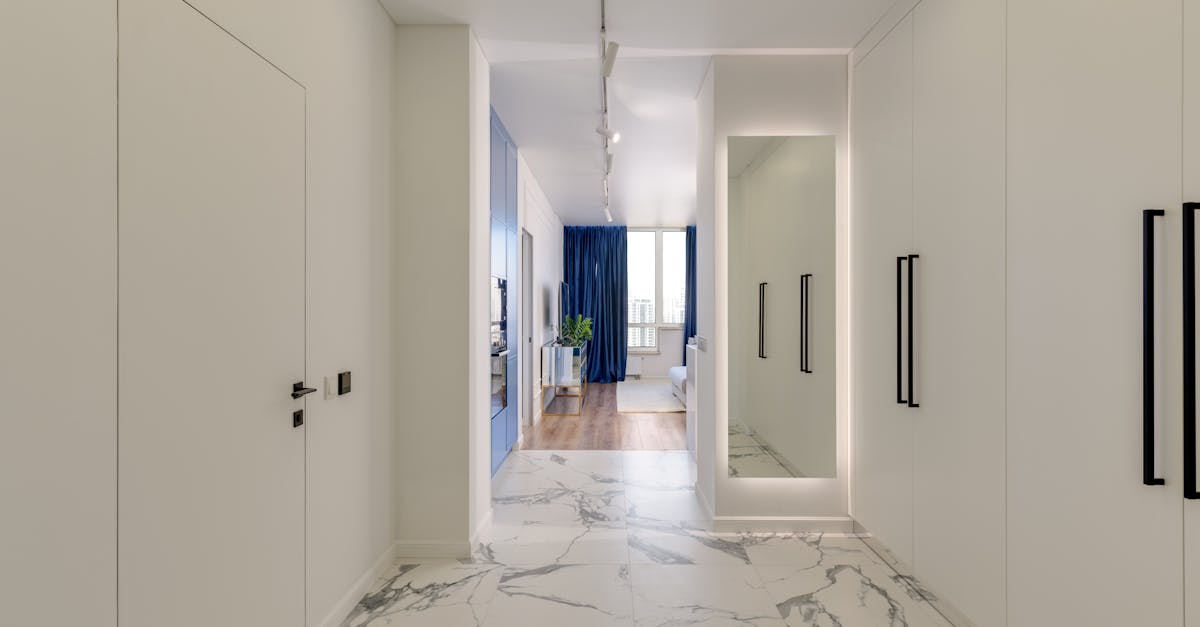
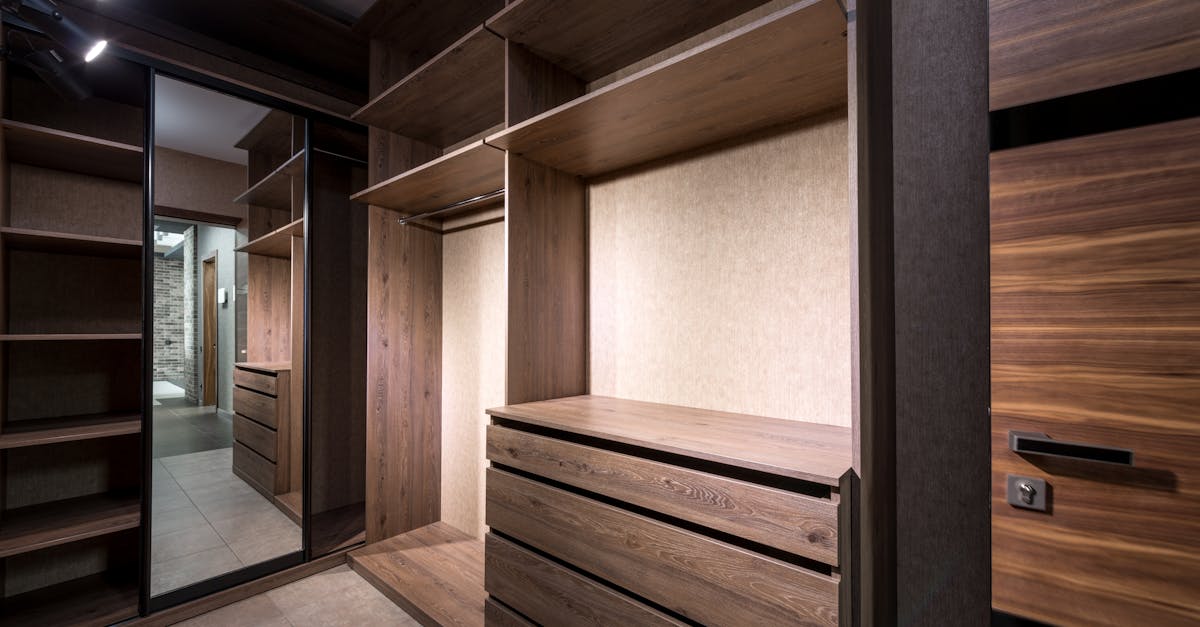
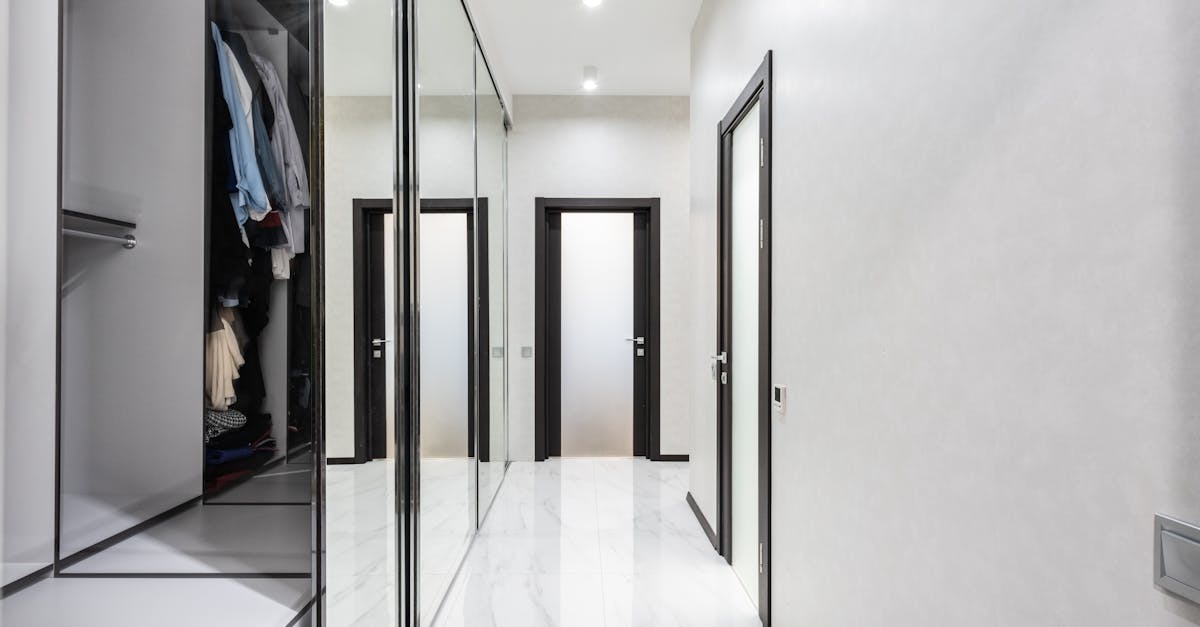
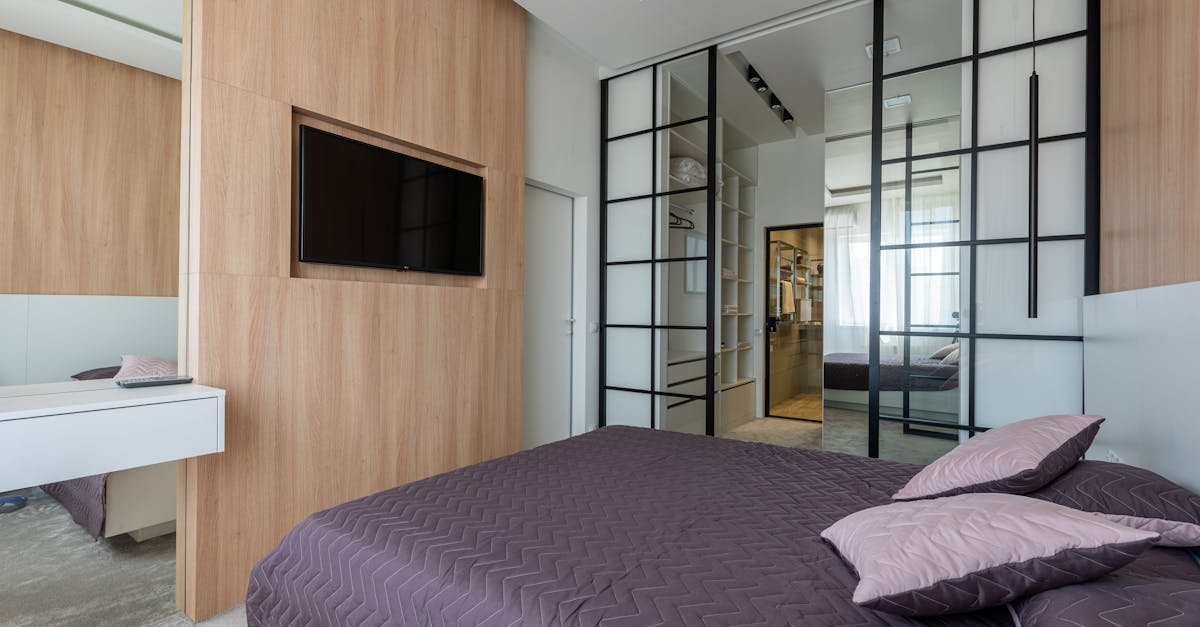
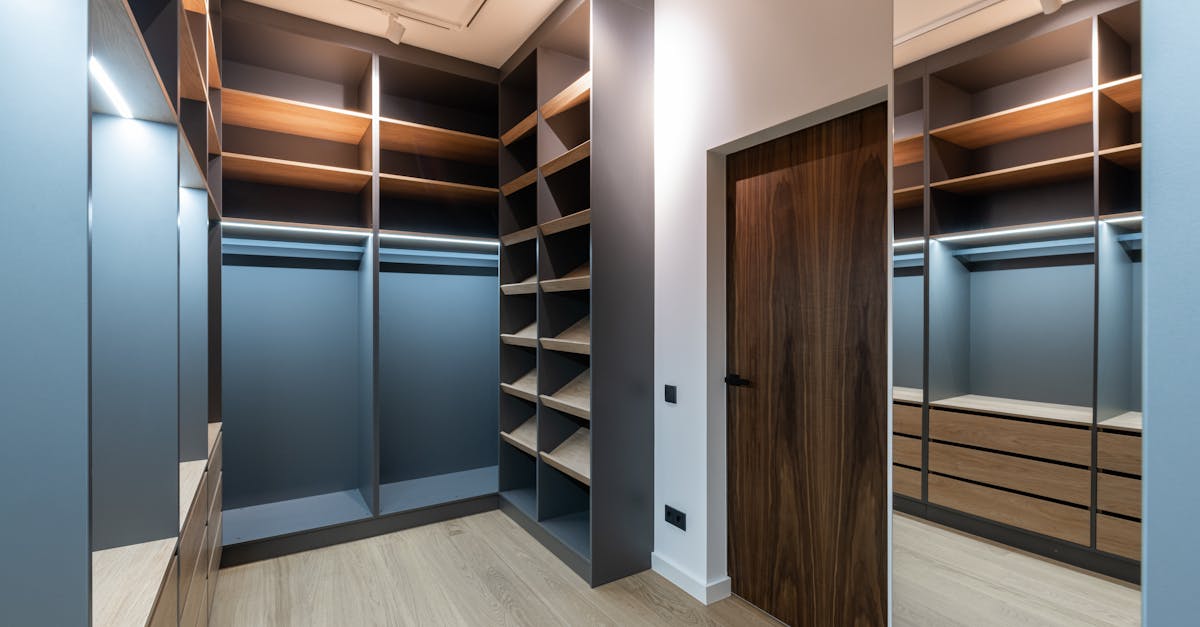
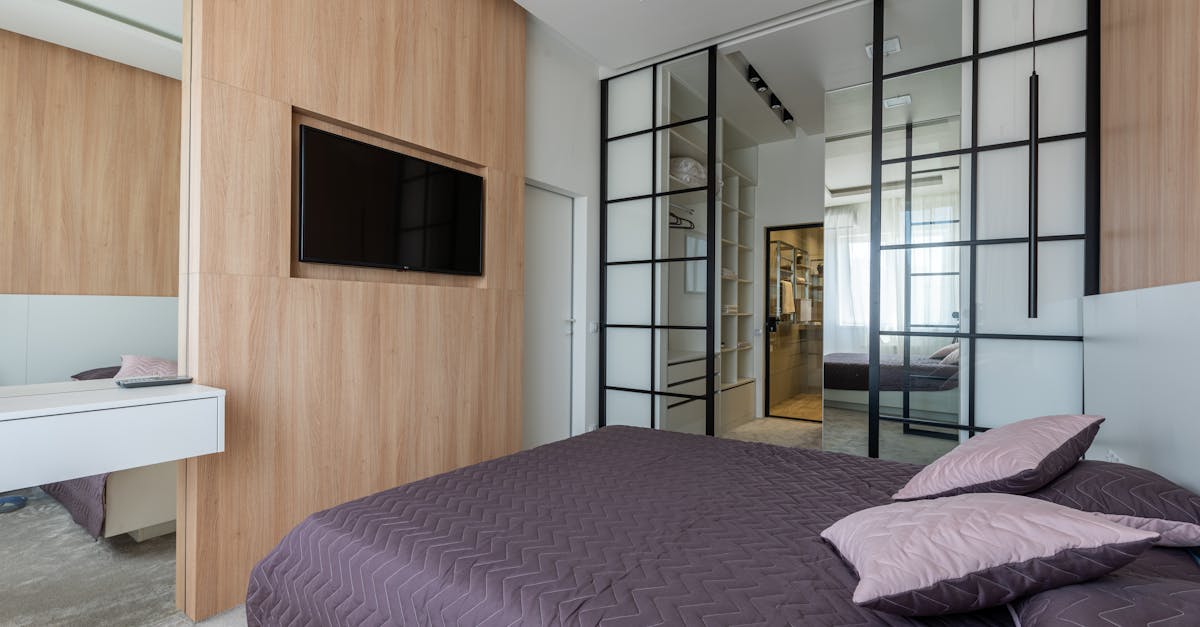
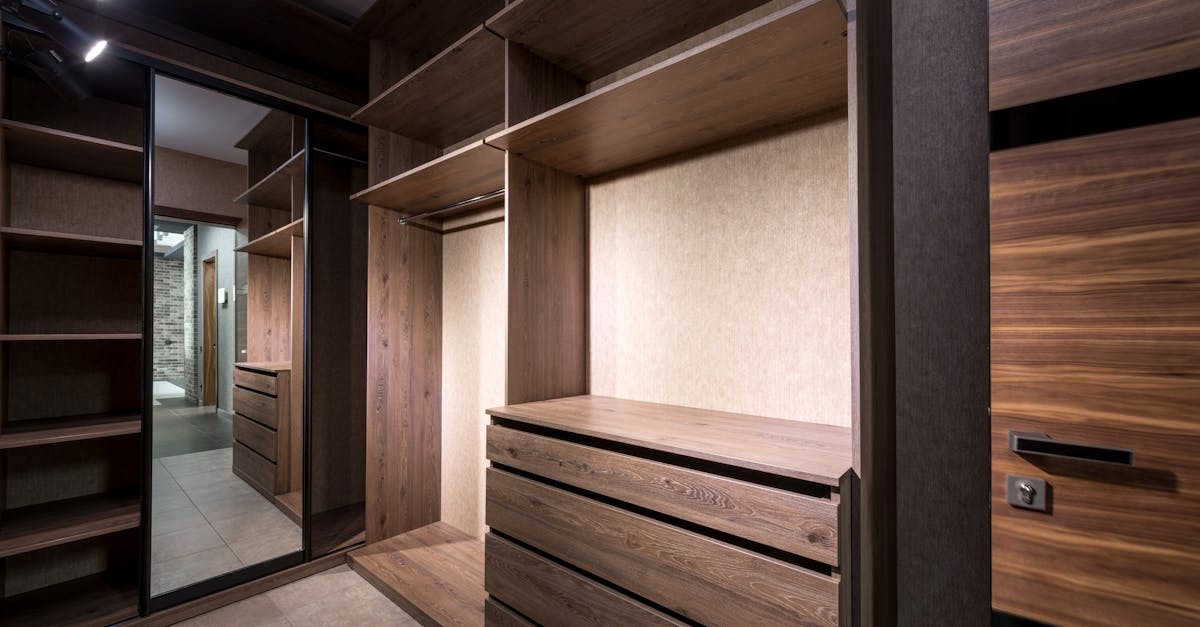
Customisation is a significant advantage when it comes to sliding door wardrobes. Homeowners can choose from a variety of materials, colours, and finishes to create a wardrobe that perfectly fits their personal style and complements their interior decor. Options range from sleek mirrored surfaces to timber finishes, allowing for a blend of functionality and aesthetic appeal. Adjustments can also be made to the internal layout, catering to specific storage needs such as adding shelves, hanging spaces, or drawers.
Another aspect of customisation involves incorporating unique features. Soft-closing mechanisms enhance usability and maintain a sleek appearance. Additionally, lighting can be integrated into sliding door wardrobes to illuminate the interior, making it easier to find items. Personal touches like engraved handles or custom door designs can further personalise the wardrobe, ensuring it’s a reflection of the homeowner's taste and lifestyle.
Personalising Your Sliding Door Wardrobe
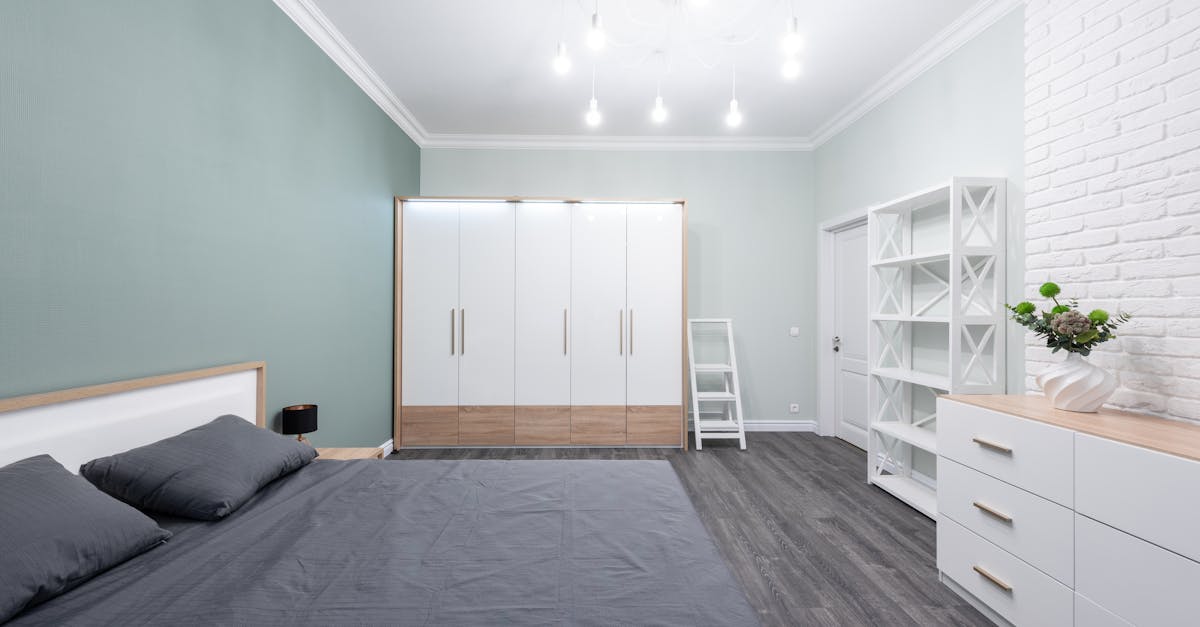
Personalising your sliding door wardrobe allows you to create a functional yet stylish storage solution that reflects your unique taste. Consider the choice of colours and finishes; a sleek matte design might suit a modern aesthetic while a glossy wood finish could blend beautifully with a more traditional interior. Incorporating custom features such as adjustable shelving or built-in lighting can enhance both usability and visual appeal, ensuring that your wardrobe meets your every need.
Another way to personalise sliding door wardrobes is by selecting the right hardware and accessories. Handles come in various styles, from minimalist to ornate, allowing you to complement the overall design of the space. Additionally, internal organisation systems can be tailored to fit your lifestyle, whether you need more space for shoes, bags, or folded garments. Thoughtful personalisation not only enhances the wardrobe's functionality but also contributes to an overall cohesive look in your room.
FAQS
What are the most cost-effective materials for a sliding door wardrobe?
Cost-effective materials for sliding door wardrobes include MDF (Medium Density Fibreboard), particle board, and melamine, as they offer a good balance between affordability and durability.
How can I ensure that the materials I choose for my sliding door wardrobe are environmentally friendly?
Look for materials that are certified sustainable, such as bamboo, reclaimed wood, or those with low VOC emissions. Additionally, consider products from manufacturers who prioritise eco-friendly practices.
Can I customise the materials used in my sliding door wardrobe?
Yes, many manufacturers offer a range of customisation options, allowing you to choose different materials, finishes, and styles to suit your personal taste and home's aesthetic.
What should I consider when budgeting for a sliding door wardrobe?
When budgeting, consider the cost of materials, installation fees, and any additional features such as lighting or customisation. It's important to balance quality with your budget to ensure longevity.
Are there any specific maintenance requirements for different materials used in sliding door wardrobes?
Yes, maintenance can vary; for instance, wood requires regular polishing and can be sensitive to humidity, while laminate or melamine surfaces are generally easier to clean and maintain. Always refer to the manufacturer's care instructions for the best results.