Table Of Contents
Noise Issues
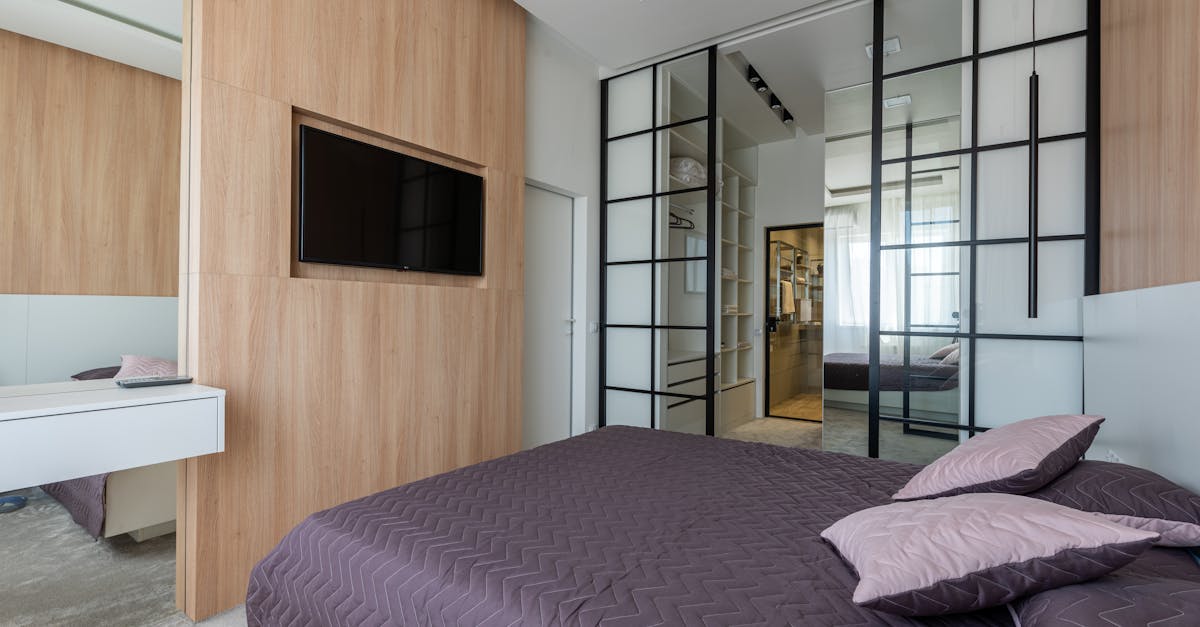
Sliding Door Wardrobes are often prized for their space-saving design, but they can come with unexpected noise issues. The sliding mechanism can create a distinct sound as the doors glide along their tracks. This noise can become a nuisance, particularly in quiet environments or during late hours when the rest of the household is asleep. Over time, the tracks may accumulate dust and debris, leading to additional grinding noises during use.
The sound associated with opening and closing Sliding Door Wardrobes may disrupt the calm of a room. If components become worn or poorly aligned, the resulting squeaks or rattles can be particularly bothersome. Additionally, the sheer size and weight of the doors can amplify these sounds, making them more noticeable. This can detract from the overall serene atmosphere in a home, especially if the wardrobe serves as a central or frequently accessed feature in a living space.
Sound Disruption During Use
Sliding Door Wardrobes can often create noise during their operation, a factor that might go unnoticed until one is using them regularly. The sound generated when the doors glide along the tracks can be jarring, particularly in quiet environments. This disruption can be bothersome, especially in shared living spaces or during late-night hours when a gentle approach is preferred.
The noise issues extend beyond mere annoyance. For those sensitive to sound, such as children or individuals with sensory processing difficulties, the clatter can become a significant distraction. The smooth sliding mechanism may not always operate quietly, leading to varying degrees of sound intrusion, which can affect comfort and peace in the home.
Safety Concerns
Sliding Door Wardrobes can pose significant safety concerns, particularly if they feature glass panels. The risk of shattering glass is a notable danger in households with young children or active pets. If the glass were to break, it could result in sharp shards scattering across the floor, increasing the likelihood of cuts or injuries. Regular maintenance and careful handling are essential, yet accidents can still occur, rendering these wardrobes less than ideal for families prioritising safety.
Another safety issue related to Sliding Door Wardrobes is the potential for the doors to come off their tracks. This misalignment can lead to doors becoming unstable or even falling, posing a risk to anyone in the vicinity. In crowded spaces or when the wardrobe is heavily loaded, the probability of such incidents can increase. Ensuring proper installation and periodic checks of the sliding mechanism are crucial steps to mitigate this risk.
Risk of Shattering Glass
Sliding Door Wardrobes often incorporate glass panels to enhance aesthetics and create a sense of space. While the sleek design may appeal to many homeowners, the risk of shattering glass presents a significant safety concern. Accidental impacts can occur during everyday use, particularly in busy households or cramped spaces. The potential for injury increases, especially if the glass shatters into sharp fragments.
Additionally, the risk extends beyond immediate accidents. Glass shards can create hazards for children and pets who may inadvertently come into contact with broken pieces. Maintenance and repair can also be costly and cumbersome, further complicating the ownership experience. As such, choosing Sliding Door Wardrobes requires careful consideration of the safety implications associated with glass materials.
Accessibility Problems
Sliding Door Wardrobes can pose accessibility challenges for certain individuals. The design often requires a specific amount of space for the doors to function correctly. This can create difficulties in tight areas, especially for those using mobility aids such as wheelchairs or walkers. In some cases, the sliding mechanism might not allow for easy grasping or operation, making it cumbersome for users with limited dexterity.
Additionally, the height of Sliding Door Wardrobes can be an issue. Many wardrobes are built at standard heights that may be out of reach for children or individuals who are shorter. This can lead to complications when trying to access clothing stored on higher shelves. Custom options might be necessary to ensure that everyone can use the wardrobe effectively, potentially increasing costs for homeowners.
Complications for Individuals with Disabilities
Individuals with disabilities may find sliding door wardrobes challenging to navigate. The design often requires a certain level of mobility to operate effectively. For someone using a mobility aid, such as a walker or wheelchair, the space required to access the sliding doors can be restrictive. This can make retrieving items from within the wardrobe difficult and frustrating.
Additionally, the height of sliding door wardrobes can pose accessibility issues. Reaching for items stored at the back of the wardrobe may be problematic for those with limited upper body strength or for individuals who are shorter in stature. The need to slide the doors open for access may further compound these difficulties, potentially leading to a less efficient use of space in the bedroom.
FAQS
What are the main disadvantages of sliding wardrobe doors?
The main disadvantages of sliding wardrobe doors include noise issues, safety concerns related to shattering glass, and accessibility problems for individuals with disabilities.
Why do sliding wardrobe doors create noise issues?
Sliding wardrobe doors can create noise during use due to the mechanisms involved in sliding and the potential for misalignment, which may cause the doors to rattle or scrape against the frame.
How can sliding wardrobe doors pose safety concerns?
Sliding wardrobe doors, especially those made of glass, can pose safety concerns as they may shatter upon impact or accidental force, creating a risk of injury from broken shards.
Are sliding wardrobe doors accessible for individuals with disabilities?
Sliding wardrobe doors can present accessibility challenges for individuals with disabilities, as they may require more effort to operate compared to traditional hinged doors, making it difficult for some users to access their belongings.
What alternatives exist to sliding wardrobe doors that might mitigate these disadvantages?
Alternatives to sliding wardrobe doors include hinged doors, bi-fold doors, or open shelving systems, which may offer easier access, improved safety, and reduced noise issues.