Table Of Contents
Reviewing the Design
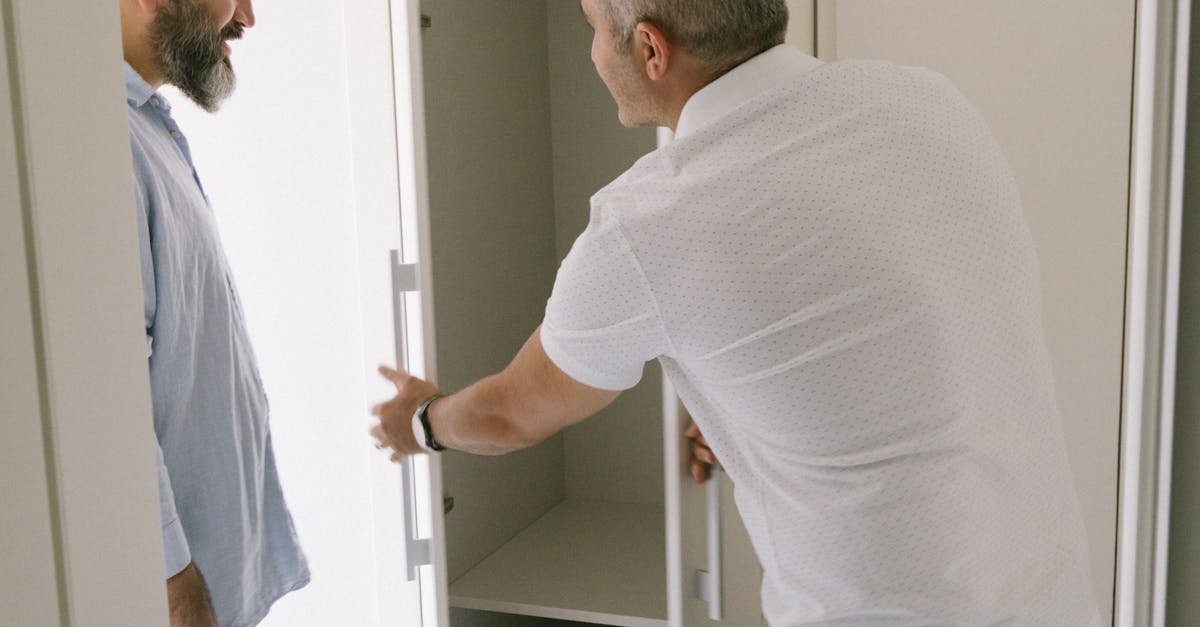
During the custom wardrobe design process, reviewing the design is a crucial step that ensures the final product meets your expectations. Collaborating closely with the designer allows for a clear visualisation of the proposed layout. It is essential to assess every element, including the materials, finishes, and overall functionality. This is the moment to clarify any specific requirements and preferences. Ensuring that the design reflects your personal style while accommodating your storage needs will contribute to a satisfying outcome.
Feedback from this review phase is invaluable for refining the design. Small adjustments can make a significant difference in the overall functionality and aesthetic appeal of custom wardrobes. Designers are often open to suggestions and discussions about tailoring features such as shelving, hanging space, and drawer configurations. Engaging in this dialogue helps to create a bespoke solution that enhances both organisation and style in your living space.
Making Adjustments
During the custom wardrobe design process, adjustments may be necessary as ideas evolve. Clients often find that what they envisioned initially might require tweaks for practicality or stylistic reasons. Whether it’s altering dimensions for better space utilisation or changing materials for a more cohesive look, flexibility is key. Collaborating closely with the designer can lead to innovative solutions that enhance both functionality and aesthetics in the final design of custom wardrobes.
Feedback plays a crucial role in making these adjustments. After reviewing initial drafts or 3D renderings, clients can better articulate their preferences and concerns. Designers appreciate this input, as it allows them to refine their approach further. Ensuring that every detail meets the client’s expectations is vital in crafting custom wardrobes that not only serve a purpose but also reflect personal style.
Budget Considerations
When embarking on the journey of designing custom wardrobes, understanding the budgetary constraints is vital. Different factors influence the overall cost, ranging from materials and finishes to the complexity of the design. Clients should consider not only the initial outlay but also any ongoing expenses related to maintenance or enhancements. Creating a clear budget allows for a more efficient design process and ensures that expectations align with financial capabilities.
Estimating costs for custom wardrobes involves a detailed breakdown of components. Clients should discuss their ideas and preferences with the designer, who can provide a tailored quote based on individual specifications. It’s beneficial to explore various material options and consider how each choice impacts the budget. By thoroughly reviewing the cost factors, clients can make informed decisions that best suit their lifestyle and financial situation.
Estimating Costs
When estimating costs for custom wardrobes, several factors come into play. Materials significantly influence the overall budget. Premium woods, high-quality finishes, and additional features like lighting or special hardware can increase expenses. Understanding these variables helps clients shape their financial expectations from the outset.
Labour costs are another critical component in the budgeting process. Skilled craftsmen are necessary for the precise construction of custom wardrobes, which can affect the timeline and final price. Clients should factor in installation fees and any potential adjustments that may arise once the design is underway. Thoroughly assessing these aspects ensures a smoother experience throughout the design journey.
Manufacturing Process
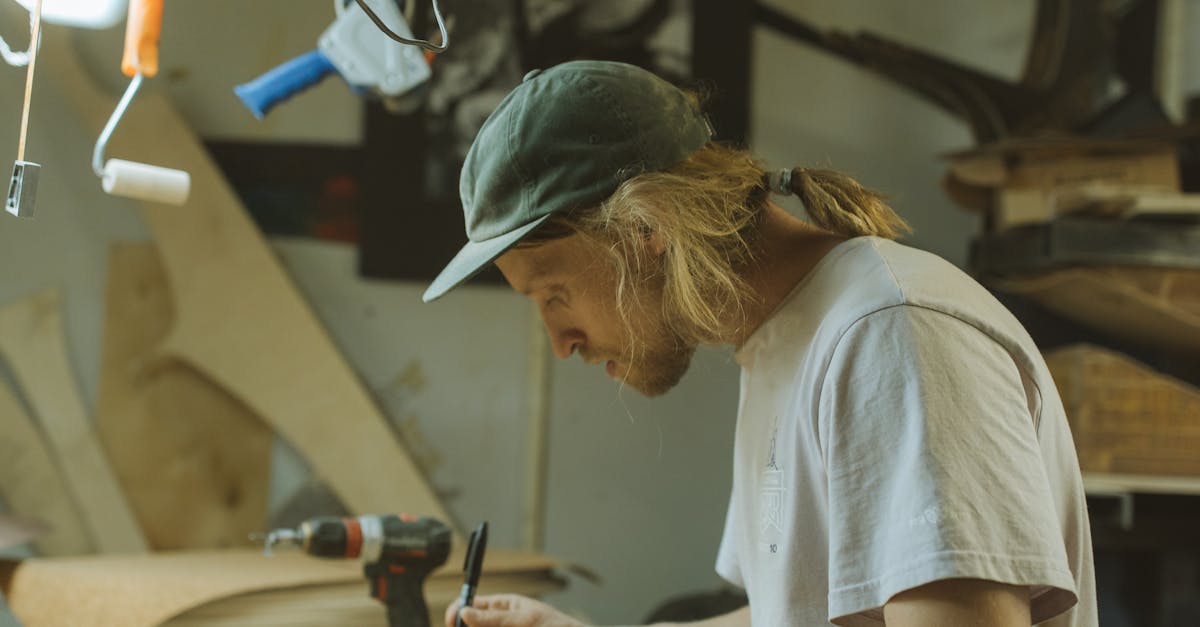
The manufacturing process of custom wardrobes is a crucial phase that brings your envisioned design to life. Skilled craftsmen utilise high-quality materials to ensure durability and aesthetic appeal. Each wardrobe is tailored to fit the specific dimensions of your space, taking into account personal preferences for functionality and style. Attention to detail is paramount as artisans work with precision, ensuring the final product aligns perfectly with your expectations.
Quality control measures play an integral role during the manufacturing process to uphold high standards. Each custom wardrobe undergoes thorough inspections to verify that construction meets outlined specifications. Any potential issues are addressed promptly to guarantee optimal performance and longevity. This rigorous approach ensures that the final product not only looks stunning but also functions effectively, providing you with a wardrobe that meets your unique needs.
Quality Control Measures
Quality control measures are essential during the manufacturing process of custom wardrobes to ensure they meet the specified requirements and standards. Regular inspections throughout production help identify any issues early, reducing the chances of costly setbacks later. Skilled craftsmen often oversee these inspections, verifying that materials and workmanship adhere to the highest quality benchmarks. Each component, from the wood used to the finishes applied, should be scrutinised to ensure durability and aesthetic appeal.
After assembly, a final quality assessment is typically conducted. This stage involves checking for functionality, including door alignment and hardware performance. The attention to detail during this phase ensures that custom wardrobes not only meet design expectations but also function seamlessly in the intended space. Any discrepancies are addressed before the final delivery, ensuring the client receives a product that reflects both quality and craftsmanship.
FAQS
How long does the custom wardrobe design process typically take?
The duration of the custom wardrobe design process can vary, but it generally takes anywhere from a few weeks to a few months, depending on the complexity of the design and the manufacturer's workload.
Can I make changes to the design once it's been finalised?
Yes, adjustments can often be made after the design is finalised. It's important to communicate any changes as soon as possible to avoid delays in the manufacturing process.
What should I consider when setting a budget for a custom wardrobe?
When setting a budget, consider factors such as materials, design complexity, additional features, and installation costs. It's also wise to allocate a portion of your budget for unexpected expenses.
How are costs estimated for a custom wardrobe?
Costs are typically estimated based on the chosen materials, size, design complexity, and any additional features you may want, such as lighting or specialised storage solutions.
What quality control measures are in place during the manufacturing process?
Quality control measures usually include inspections at various stages of production, testing materials for durability, and ensuring that the final product meets the agreed-upon specifications.