Table Of Contents
Finishing Techniques for Timber Doors
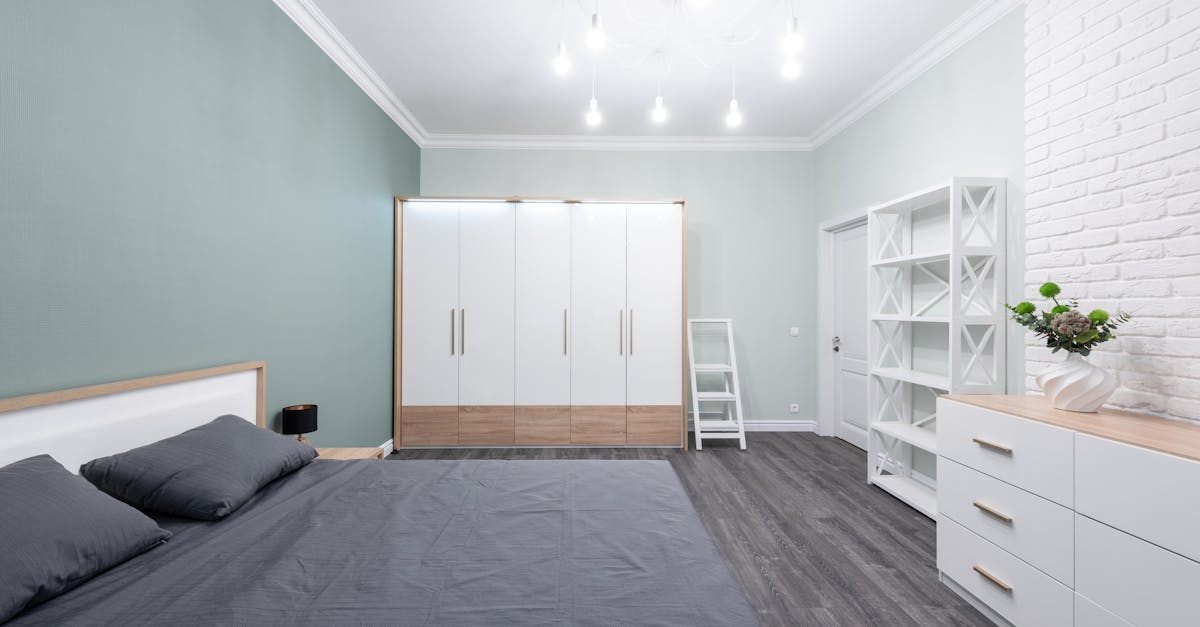
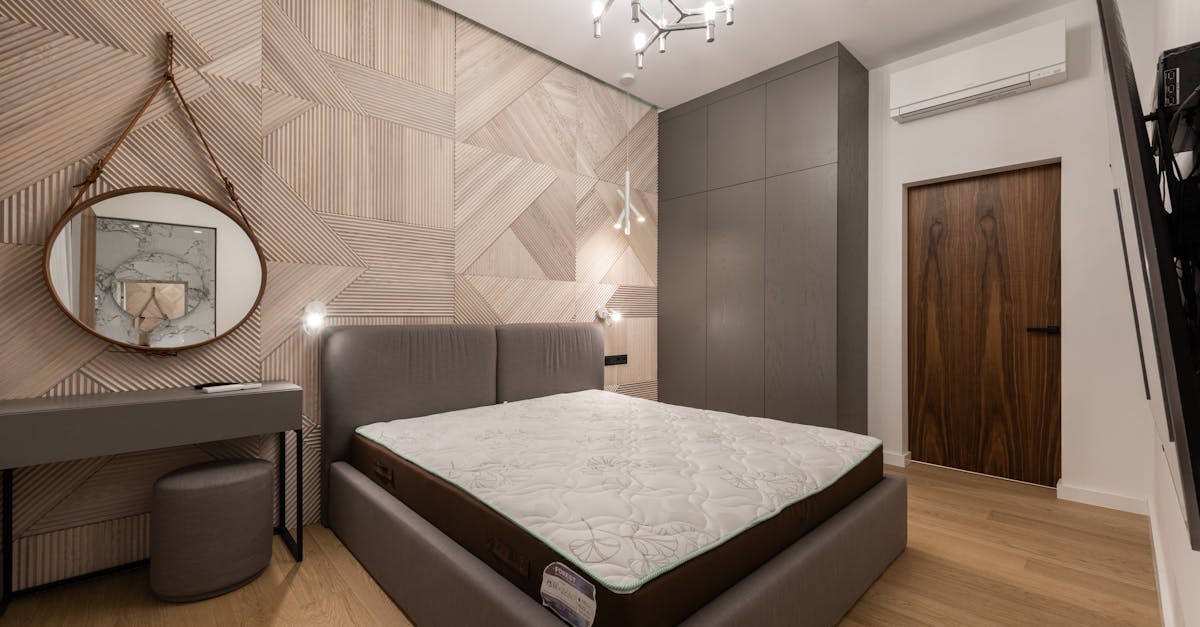
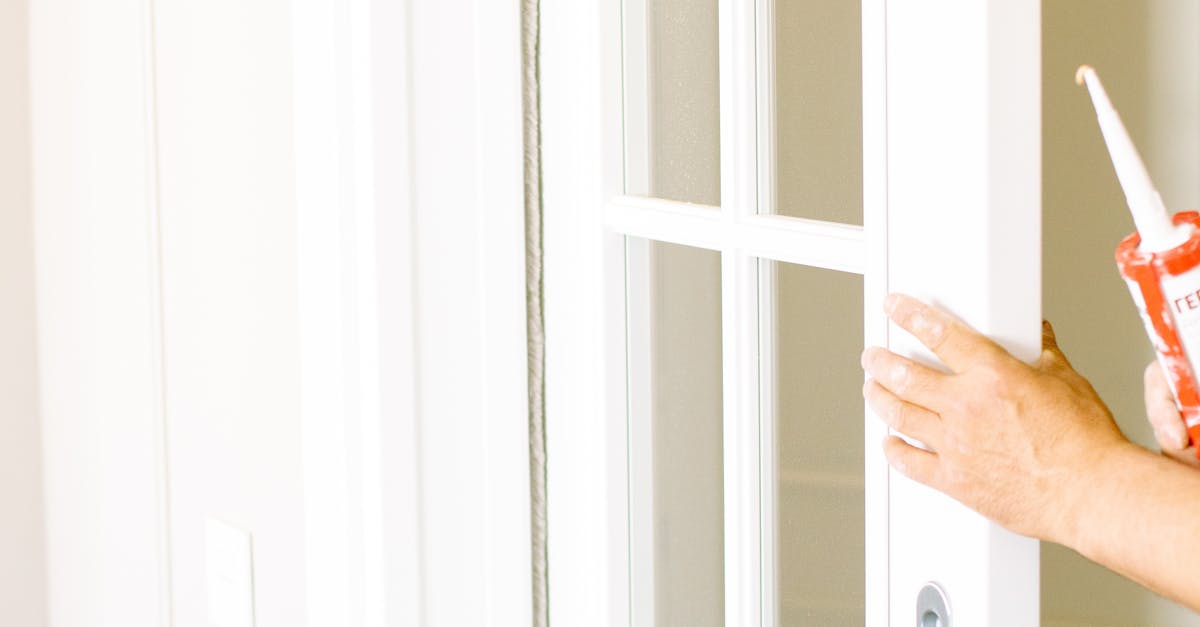
Finishing techniques play a crucial role in enhancing the aesthetic appeal and durability of timber doors, particularly for sliding door wardrobes. The choice of finish can dramatically change the look of the wood, bringing out its natural grain and colour. Options such as varnish, oil, or lacquer provide different levels of protection and sheen. Varnish offers a hard, glossy finish, while oils nourish the wood, allowing it to retain a more natural appearance. Each technique requires different application methods and drying times, so careful consideration is essential when selecting the right finish for your specific wardrobe design.
In addition to enhancing appearance, proper finishing techniques can also aid in the maintenance of sliding door wardrobes. A well-applied finish acts as a barrier against moisture and occasional wear, thus extending the lifespan of the timber. Regular inspection and reapplication of the chosen finish ensure that the doors continue to look their best, while also protecting against scratches and dents. By understanding the various finishing options and their benefits, homeowners can make informed decisions that align with their aesthetic preferences and functional needs.
Staining vs. Painting
Staining is a popular finish for sliding door wardrobes, as it enhances the natural grain and beauty of the wood while providing a layer of protection. This method allows the character of the timber to shine through, giving a warm and rustic look. Various types of stains are available, enabling homeowners to choose from a range of shades to complement their decor. Additionally, stain is often easier to apply than paint and can be less prone to chipping.
On the contrary, painting sliding door wardrobes gives a sleek, modern appearance and offers endless colour options. This finish can effectively conceal imperfections in the timber, creating a smooth, uniform look. However, paint is generally more susceptible to wear and may require touch-ups more frequently than stain. Ultimately, the choice between staining and painting hinges on personal aesthetic preferences as well as the desired level of maintenance.
Cost Considerations for Different Woods
The selection of wood for sliding door wardrobes significantly influences the overall budget. Options like pine and MDF are generally more affordable, making them appealing for those looking to minimise costs while still achieving functionality. However, hardwoods such as oak, maple or walnut can elevate both the aesthetic and durability of the wardrobe. Investing in quality timber can lead to long-term savings, as premium materials typically withstand wear and tear better than their less expensive counterparts.
Apart from the initial cost of the wood itself, other factors contribute to the overall expense of sliding door wardrobes. These include the finishing process, hardware quality, and the complexity of the installation. Customisation can also add to the financial outlay, especially when opting for specialised designs or finishes. Considering these aspects ensures a more comprehensive understanding of your budget, allowing for informed decisions when selecting the best materials for your wardrobe project.
Budgeting for Quality
When considering the budget for sliding door wardrobes, it's essential to account for the type of wood used in their construction. Solid timber options, such as oak or walnut, typically offer superior durability and aesthetic appeal, though they come at a higher price point. Engineered woods like plywood or MDF provide a more economical alternative without sacrificing design versatility. Ultimately, the choice of materials will greatly influence both initial costs and long-term value.
Quality also extends to the hardware and finishing techniques employed. Investing in high-quality hinges, tracks, and handles can prevent future maintenance issues and enhance the overall lifespan of sliding door wardrobes. Additionally, spending a little more on protective finishes can bolster the wood’s resilience against wear and tear, contributing to sustained visual appeal over time. Prioritising quality in all aspects allows for a more balanced approach to budgeting, ensuring the final product meets both functionality and aesthetic standards.
Maintenance Tips for Timber Wardrobe Doors
Maintaining timber wardrobe doors requires a consistent approach to ensure their longevity and aesthetic appeal. Regular dusting with a soft cloth helps prevent dirt and grime buildup, which can lead to scratches and dullness over time. For deeper cleaning, a solution of mild soap and water can be used, but excessive moisture should be avoided to prevent warping. Ensure that the hinges and tracks of your sliding door wardrobes are kept clean and well-lubricated, promoting smooth operation while reducing wear and tear.
In addition to cleaning, regular treatment of the timber is crucial. Applying a wood conditioner or polish periodically can help nourish the timber and protect against environmental factors. Check for signs of damage or wear, especially in areas subject to frequent use. Repairing minor scratches promptly can avoid more extensive damage down the track. Following these maintenance tips will keep your sliding door wardrobes looking great for years to come.
Regular Care and Treatment
Sliding door wardrobes require consistent care to maintain their appearance and functionality. Regular dusting helps prevent the build-up of debris that can scratch the surface of the wood. For deeper cleaning, a damp cloth and a mild wood cleaner can effectively remove any stains or marks. Ensuring that hardware is tightened will prevent misalignment, making it easier to open and close the sliding doors smoothly.
Periodic treatments with a wood conditioner or polish can help to enhance the timber's natural beauty and provide a protective layer against wear and tear. Checking for any signs of moisture damage is essential, especially in humid climates. If any areas appear compromised, it is best to address these issues promptly to avoid further degradation. Implementing these maintenance practices will not only prolong the life of your sliding door wardrobes but also keep them looking their best.
FAQS
What types of wood are commonly used for sliding wardrobe doors?
Common types of wood used for sliding wardrobe doors include MDF (Medium Density Fibreboard), plywood, pine, and hardwoods such as oak and maple. Each type offers different aesthetics and durability.
Are there any specific woods that are more durable for sliding wardrobe doors?
Hardwoods like oak and maple are generally more durable compared to softer woods like pine. They are more resistant to dents and scratches, making them a better choice for long-lasting sliding doors.
Can I use engineered wood for sliding wardrobe doors?
Yes, engineered wood, such as MDF or plywood, is often used for sliding wardrobe doors. These materials can provide a smooth finish and are less prone to warping, making them suitable for this application.
What finishing techniques are recommended for timber sliding doors?
Finishing techniques such as staining and painting are commonly used for timber sliding doors. Staining enhances the natural grain of the wood, while painting can offer a modern look and a wider range of colour options.
How do I maintain timber wardrobe doors to ensure their longevity?
Regular care and treatment are essential for maintaining timber wardrobe doors. This includes cleaning with a soft cloth, avoiding harsh chemicals, and applying a suitable wood conditioner or polish periodically to protect the finish.