Table Of Contents
Storage Capacity
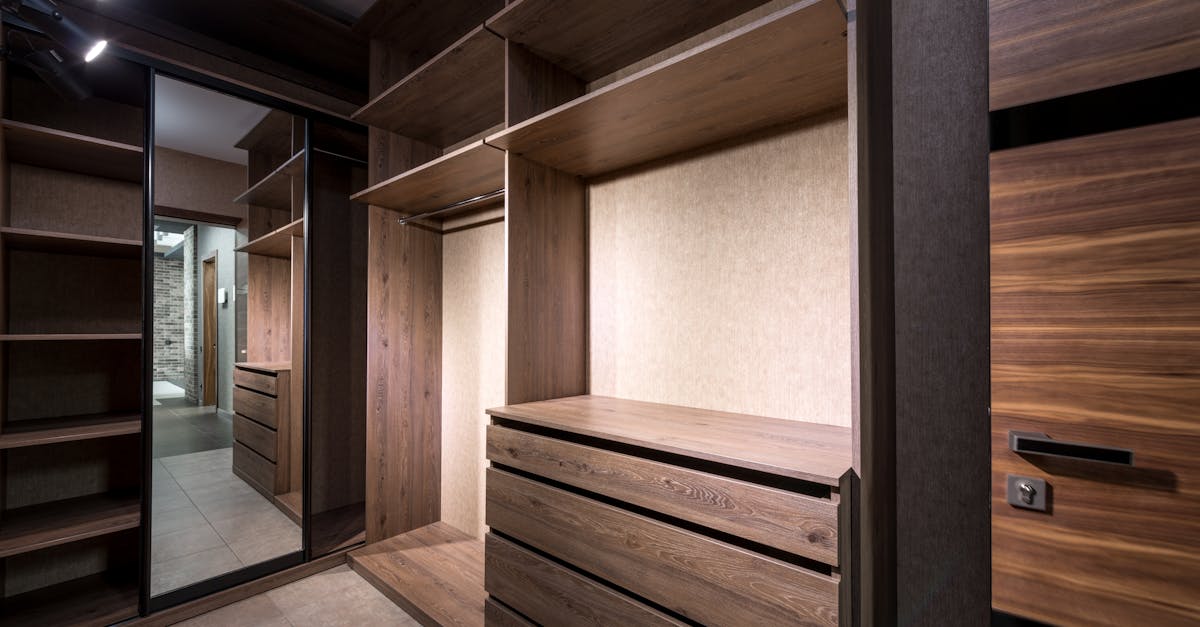
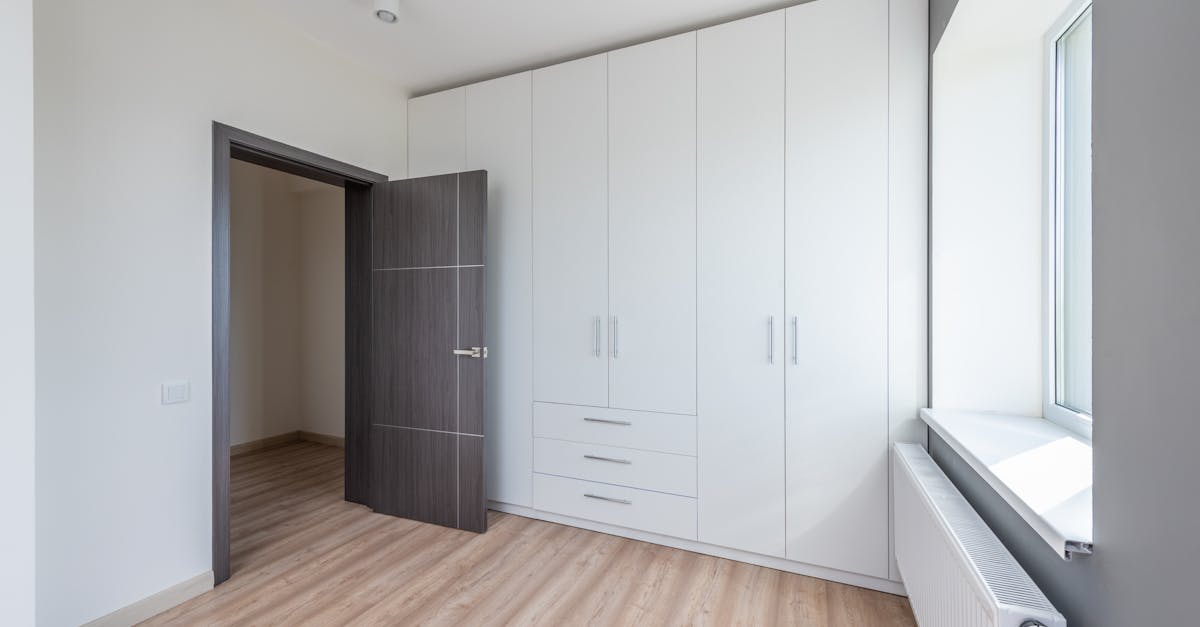
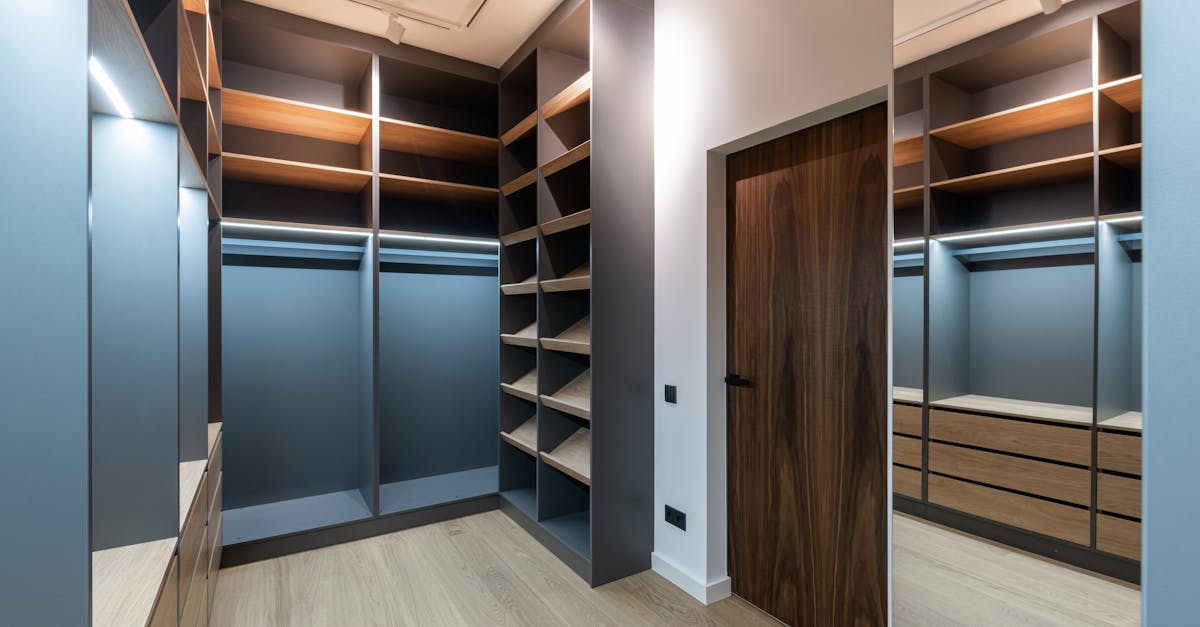
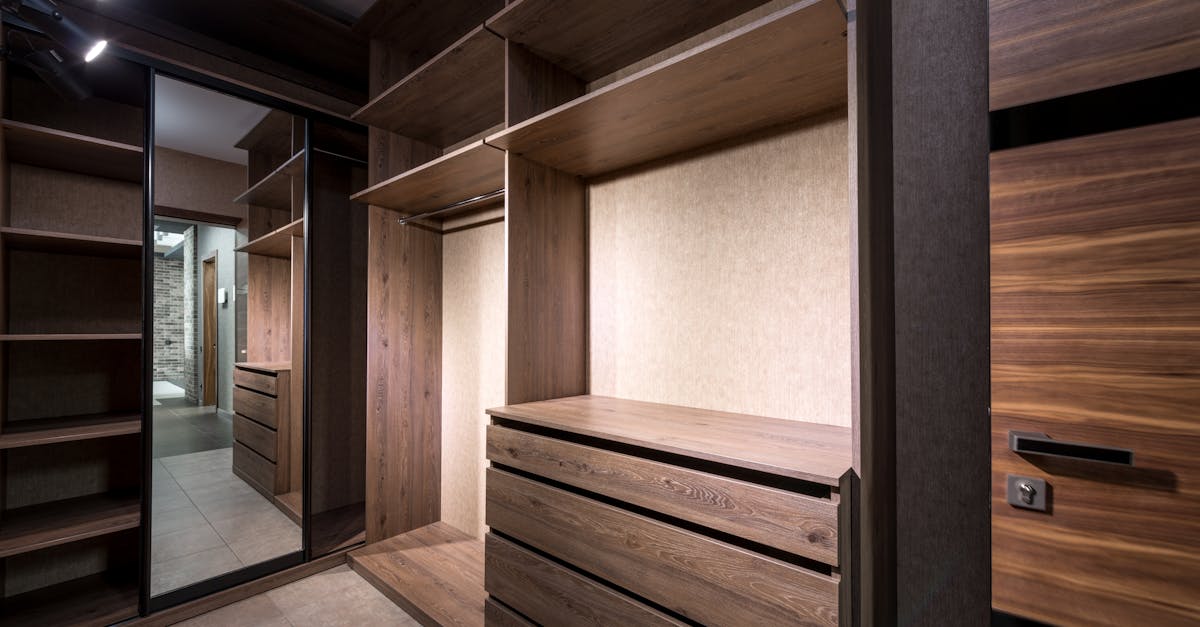
When considering storage capacity, Sliding Door Wardrobes often offer a more efficient use of space compared to traditional openable wardrobes. The absence of swinging doors allows for more flexible placement in a room, making them ideal for smaller spaces where every square metre counts. Additionally, the internal layout of Sliding Door Wardrobes can be customised to accommodate various storage needs. Shelves, drawers, and hanging areas can be strategically organised, providing ample room for different types of clothing and accessories.
Openable wardrobes, while providing easy access to items, sometimes require larger clearances due to their doors. This can restrict the overall storage potential, especially in tighter living areas. Many designs of Sliding Door Wardrobes feature mirrored panels which not only enhance aesthetic appeal but also help create an illusion of space, effectively maximising the room's dimensions. This combination of functionality and design makes sliding options a compelling choice for those looking to optimise their storage solutions.
Maximising Organisational Potential
Maximising organisational potential is essential for effective storage solutions in any space. Sliding door wardrobes offer the advantage of optimising floor space since they do not require clearance for opening. This design allows easy access to clothing and other items while keeping everything neatly tucked away. The internal configuration of these wardrobes can be tailored to individual needs, featuring a combination of hanging rails, shelves, and drawers that enhance storage efficiency.
Openable wardrobes can also be organised effectively, yet they may limit accessibility given their swing-out doors. Items at the back can be harder to reach, leading to disorganisation over time. With sliding door wardrobes, everything is more accessible, promoting a tidy appearance and making it simpler to maintain an orderly wardrobe. By integrating smart storage solutions, users can maximise the use of available space, ensuring that clothes and accessories are not only stored securely but are also easy to locate when needed.
Aesthetic Appeal
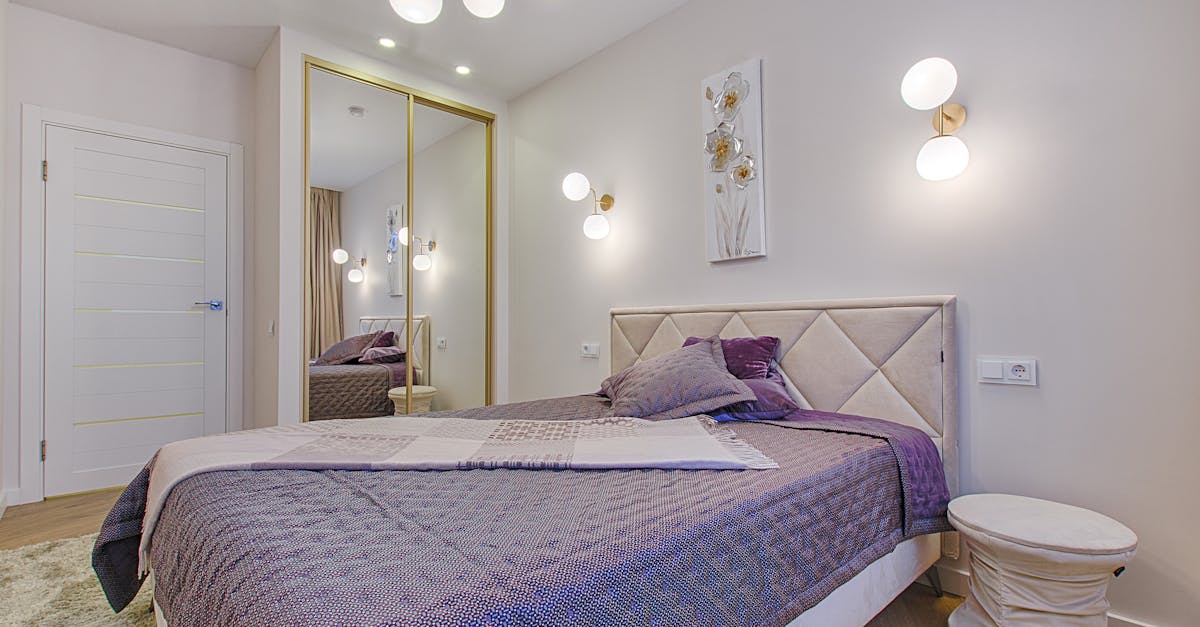
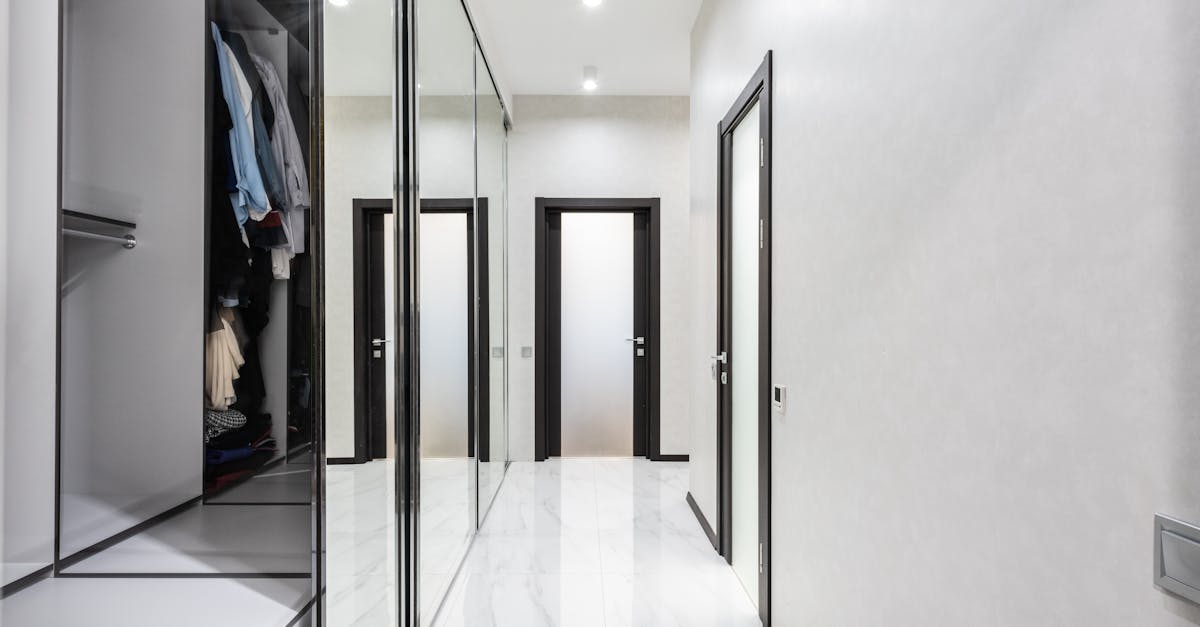
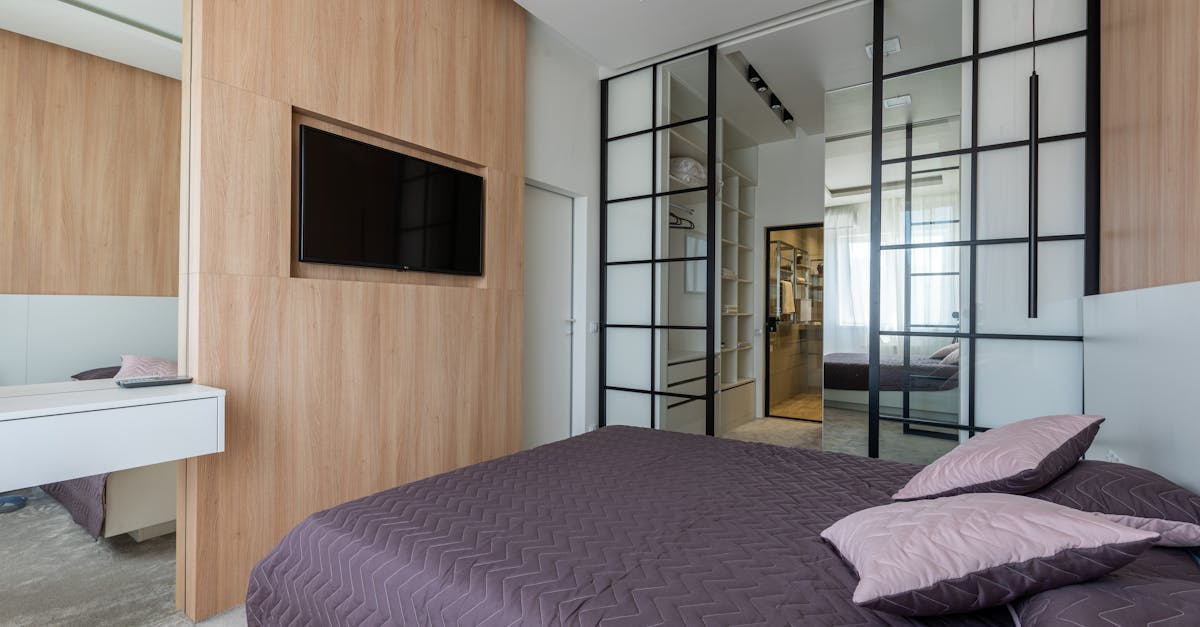
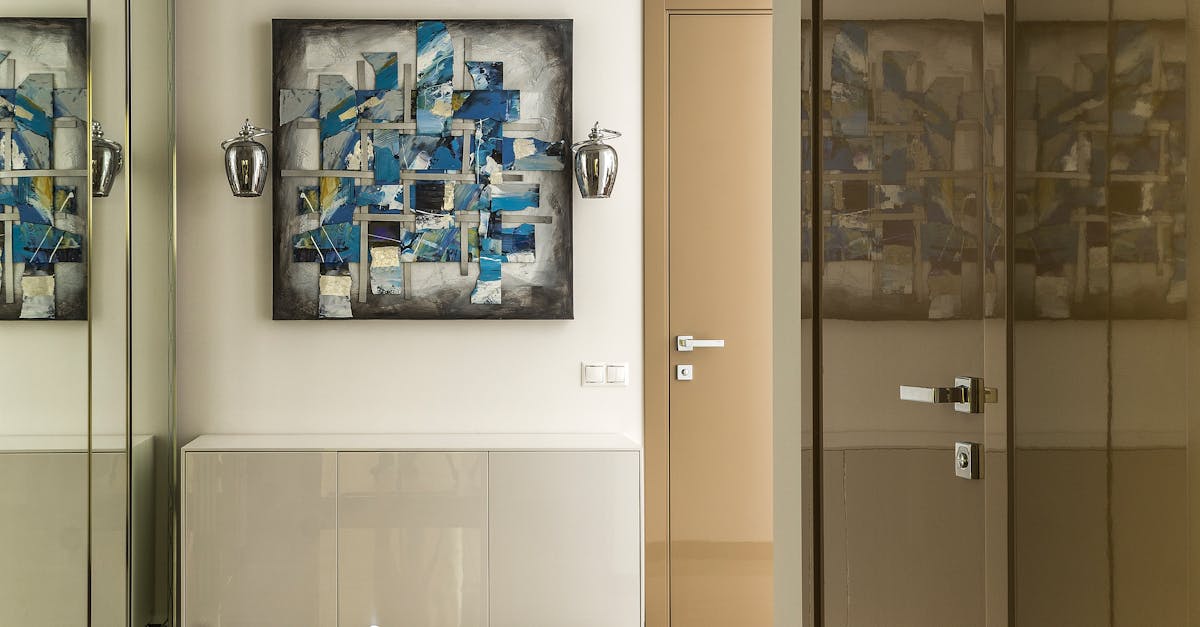
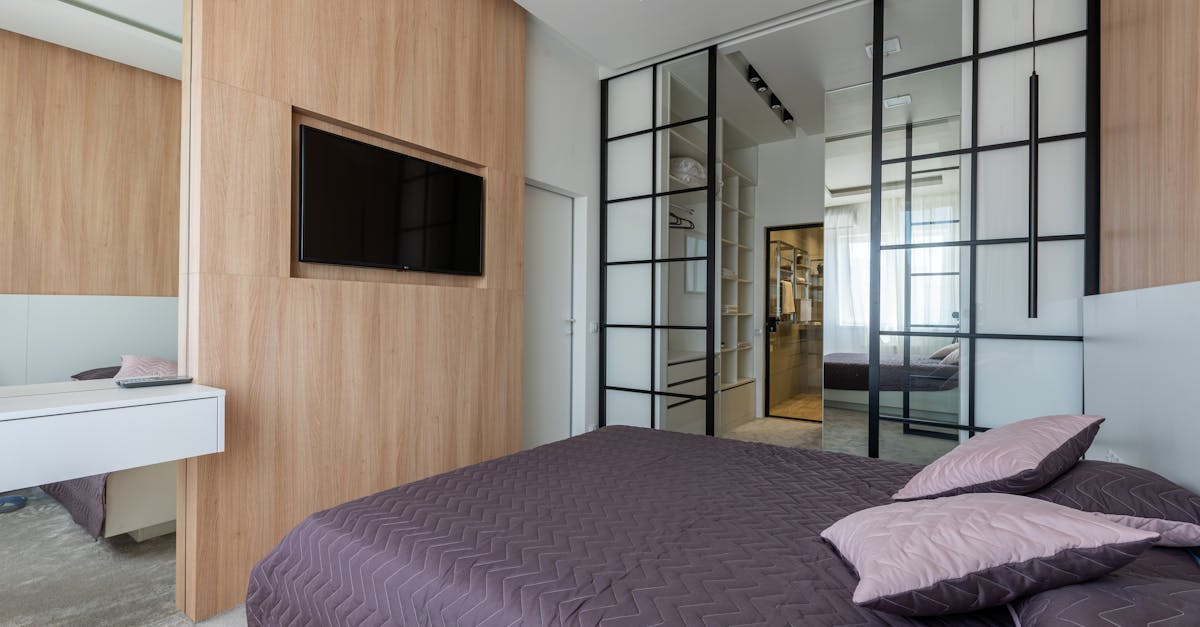
The aesthetic appeal of a wardrobe can significantly influence the overall ambience of a room. Sliding Door Wardrobes offer a sleek and modern look, often enhancing the visual space of a bedroom. Their design allows for larger panes of mirror or decorative finishes, reflecting light and giving the illusion of a more spacious area. These wardrobes blend seamlessly into contemporary interior styles, providing a minimalistic yet functional element.
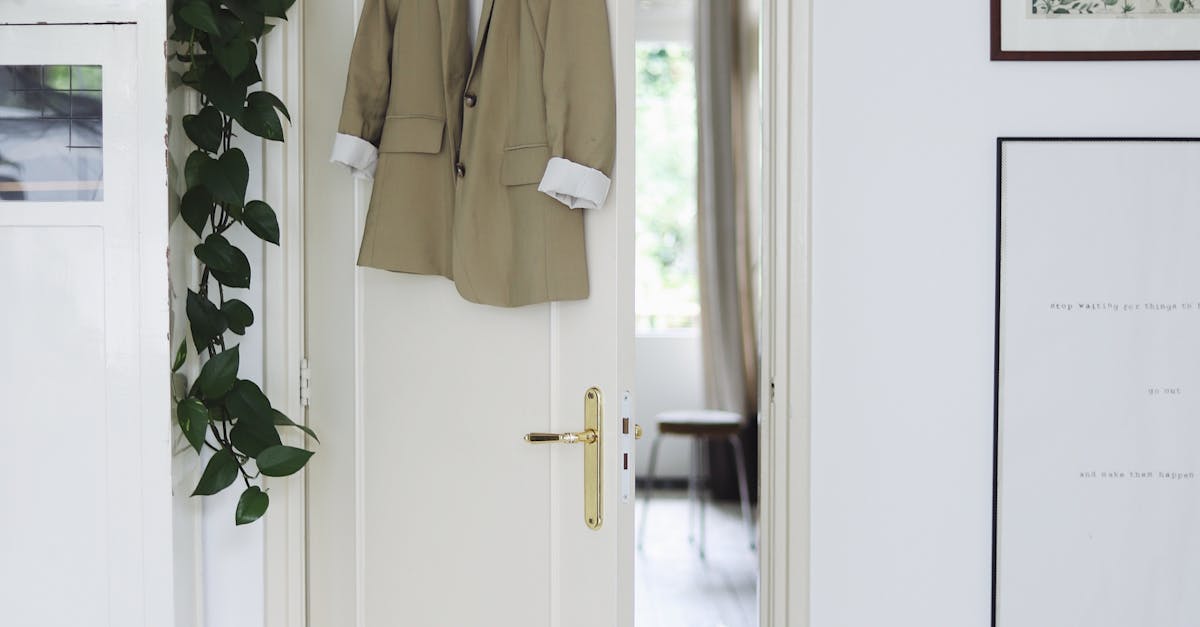
Openable wardrobes, while less space-efficient, can also bring character and charm to a room. They often showcase the items stored within, allowing for creative arrangements that can enhance the décor. Vintage or rustic designs with intricate detailing lend warmth and personality to spaces, drawing attention and offering a different type of visual appeal. Each option has its merits, allowing personal taste and the existing home décor to play a significant role in the final choice.
Matching Wardrobes to Home Décor
The choice between sliding door wardrobes and openable wardrobes often hinges on how well they integrate with existing home décor. Sliding door wardrobes present a sleek and modern aesthetic, allowing for a streamlined appearance that complements contemporary interiors. They often come in various materials and finishes, offering options that can harmonise with both minimalist and textured design styles. Meanwhile, openable wardrobes can evoke a more traditional feel, making them suitable for classic or vintage-themed spaces.
When considering wardrobe selection, it is essential to assess the overall colour palette and style of the room. Sliding door wardrobes can be tailored with mirrored fronts, which can enhance the illusion of space while reflecting light. This feature can be particularly beneficial in smaller rooms. Alternatively, openable wardrobes allow for easier display of decorative items or clothing, which can contribute to themed or curated aesthetics within the home. Ultimately, both options can achieve a cohesive look but will offer different benefits based on individual design preferences.
Installation and Maintenance
When considering installation, sliding door wardrobes typically require less space compared to traditional openable wardrobes. The sliding mechanism allows for smooth access without the need for extra clearance, making them ideal for tighter areas. Installation can be straightforward, especially in a custom-built setting where the dimensions are accurately measured. However, the complexity increases if you're dealing with existing walls or structures that may need adjustments.
Maintenance is another factor to consider. Sliding door wardrobes often have tracks that can accumulate dust and debris, necessitating regular cleaning. However, their smooth surfaces are generally easier to wipe down than the more intricate designs found on openable wardrobes. The durability of materials used in sliding designs also plays a role in long-term upkeep, with many options available that resist scratches and wear over time.
Ease of Setup and Upkeep
The installation process for Sliding Door Wardrobes can often be straightforward, particularly if the space is prepped correctly. These wardrobes typically require less floor space during operation, allowing for a more efficient use of room dimensions. Many come as ready-made units that simplify the setup process, reducing the need for extensive renovations or adjustments. However, custom-built options might involve further time and cost.
Maintenance for sliding wardrobes usually focuses on the doors and tracks, which can accumulate dust and debris over time. Regular cleaning of these areas is essential to ensure smooth operation. In contrast, openable wardrobes often demand more upkeep due to their exposed contents, which can require frequent organisation and tidying. The choice between the two may depend on personal preference for cleanliness and ease of access to stored items.
FAQS
What are the main differences between sliding and openable wardrobes?
The main differences lie in their operation and design. Sliding wardrobes have doors that glide open, saving space and providing a modern look, while openable wardrobes feature hinged doors that swing outwards, often offering a more traditional aesthetic.
Which type of wardrobe is better for small spaces?
Sliding wardrobes are typically better for small spaces as they do not require additional space to swing open, allowing for more efficient use of available room.
How do I maximise the organisational potential of my wardrobe?
Both sliding and openable wardrobes can be designed to maximise organisational potential by incorporating shelves, drawers, and hanging rods. The choice depends on your specific storage needs and preferences for accessibility.
Are sliding wardrobes more difficult to install than openable wardrobes?
Sliding wardrobes can be slightly more complex to install due to their tracks and mechanisms. However, with proper instructions and tools, both types can be installed successfully. If in doubt, it’s best to hire a professional.
How can I match my wardrobe to my home décor?
Consider the materials, colours, and design style of both the wardrobe and your existing décor. Both sliding and openable wardrobes come in a variety of finishes, allowing you to choose one that complements your home's aesthetic.