Table Of Contents
Maximising Vertical Space
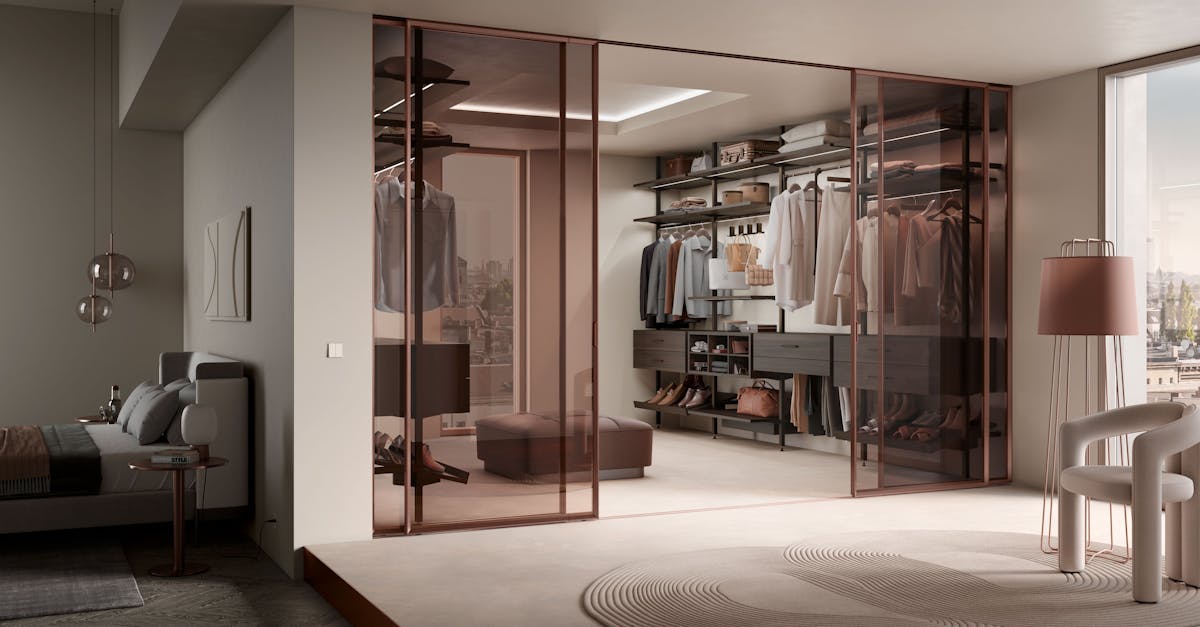
Fitted wardrobes provide an excellent opportunity to utilise vertical space effectively in your home. By installing shelves that reach the ceiling, you can create additional storage for less frequently used items, such as seasonal clothing or accessories. Consider using clear storage bins to keep these items organised and easily visible. This approach not only maximises your space but also keeps your fitted wardrobes looking tidy and streamlined.
Hooks can serve as a simple yet effective tool for maximising vertical space in fitted wardrobes. Attaching hooks inside the wardrobe doors or on the sides allows for quick access to bags, scarves, or hats without occupying shelf space. Opt for decorative hooks that complement the overall aesthetic of your fitted wardrobes, ensuring functionality aligns seamlessly with style. Utilising these strategies opens up a world of storage possibilities while maintaining an organised wardrobe environment.
Utilising Shelves and Hooks Effectively
Incorporating shelves and hooks into your fitted wardrobes can vastly enhance the functionality of your storage space. Utilising vertical space is key, as it allows for more efficient organisation by maximising every available inch. Installing shelves at varying heights can accommodate different items, from folded sweaters to shoes or accessories. Hooks can be added to the sides of the wardrobe or on the inside of doors, offering a practical solution for hanging bags, scarves, or belts that might otherwise take up valuable drawer space.
To make the most of your fitted wardrobes, consider the types of items you use most frequently. Place those essentials on the most accessible shelves to streamline your daily routine. Seasonal items or less frequently used belongings can be stored higher up or further back, ensuring they remain out of the way. This approach not only keeps your fitted wardrobes tidy but also enhances your ability to find what you need quickly, minimising clutter while maintaining an organised look.
Protecting Seasonal Items
Seasonal items require careful protection to maintain their quality while stored away. Fitted wardrobes offer a versatile option for safeguarding these garments. It's essential to use breathable storage bags made from cotton or muslin to prevent moisture buildup. Avoid plastic wraps, as they can trap humidity and lead to mould growth. Storing items in a cool, dry environment within the fitted wardrobe will also help preserve fabrics and prevent discolouration.
Before packing away seasonal clothing, ensure that all items are clean and completely dry. Dirt and oils can damage fabrics over time, leading to irreversible stains or odours. Use acid-free tissue paper to stuff delicate items like sweaters and coats, preserving their shape and preventing creases. By taking these precautions within your fitted wardrobes, you'll ensure that your seasonal pieces remain in excellent condition for years to come.
Tips for Properly Storing Fabrics
When storing seasonal fabrics in fitted wardrobes, it’s essential to choose the right environment. Ideally, items should be stored in a cool, dry place to prevent dampness and mould. Consider using breathable fabric bags or cotton sheets to cover delicate garments. This setup allows air to circulate while shielding fabrics from dust and light, which can lead to fading. Avoid using plastic covers for long-term storage, as they can trap moisture and cause mildew.
Organising fabrics by type and frequency of use simplifies retrieval when the seasons change. Consider folding heavier items like winter coats and placing them on shelves, while lighter summer clothing can be hung to avoid creases. Labelling storage bins or sections of your fitted wardrobes can also streamline access and help maintain order. Regularly revisiting your stored items ensures that nothing is forgotten and that your wardrobe remains functional year-round.
Optimising Accessibility
When optimising accessibility in fitted wardrobes, it's essential to arrange your items in a way that makes sense for your everyday routine. Place frequently used clothing and accessories at eye level or on shelves that are easy to reach. This strategy not only saves time during busy mornings but also ensures your favourite pieces are readily available. Consider adding pull-out drawers or bins in the lower sections for items you may need less often, allowing for a tidier appearance without sacrificing accessibility.
Another effective approach is to categorise items by season or occasion. Grouping summer clothes together and keeping winter items separate simplifies the decision-making process when choosing outfits. Labelling shelves or boxes can further enhance this system, making it easy to locate specific items quickly. With fitted wardrobes, this thoughtful organisation helps you maintain a streamlined closet that is efficient and tailored to your personal style.
Organising for Easy Retrieval
Organising your fitted wardrobes for easy retrieval can streamline your daily routine significantly. By grouping similar items together, you ensure that everything you need is within reach. Use clear storage bins or labelled boxes to separate your seasonal clothes from everyday wear. This method not only maintains order but also makes it easier to locate specific pieces when needed.
Consider implementing a system where items are arranged by type or colour within your fitted wardrobes. For instance, all winter coats can be hung together, while scarves and accessories may be placed in an easily accessible drawer. This enhances visual appeal and simplifies the process of finding what you want. A well-organised space encourages the use of all clothing items, preventing the seasonal wardrobe from becoming cluttered.
FAQS
What is seasonal storage, and why is it important for my wardrobe?
Seasonal storage refers to the practice of organising and storing clothing and accessories based on the season in which they are typically worn. It's important because it helps maximise space and keeps your wardrobe organised, making it easier to find and access the items you need for the current season.
How can I maximise vertical space in my fitted wardrobe?
To maximise vertical space, consider installing shelves or hooks on the walls of your wardrobe. This allows you to store items higher up, making use of often-overlooked space, while still keeping frequently used items accessible.
What are some effective ways to utilise shelves and hooks in my wardrobe?
You can use shelves to store folded items like sweaters or shoes, while hooks can hold bags, scarves, or accessories. Consider using adjustable shelves to accommodate different item sizes and ensure everything is within easy reach.
How should I protect my seasonal items while in storage?
To protect seasonal items, clean them thoroughly before storing, use breathable garment bags or cotton sheets, and store them in a cool, dry place. Avoid plastic containers that can trap moisture and lead to mildew.
What tips do you have for properly storing fabrics?
Always ensure fabrics are clean and dry before storage. Use acid-free tissue paper to help maintain shape, and store items in a cool, dark place away from direct sunlight to prevent fading and damage.