Table Of Contents
Smart Technology Integration
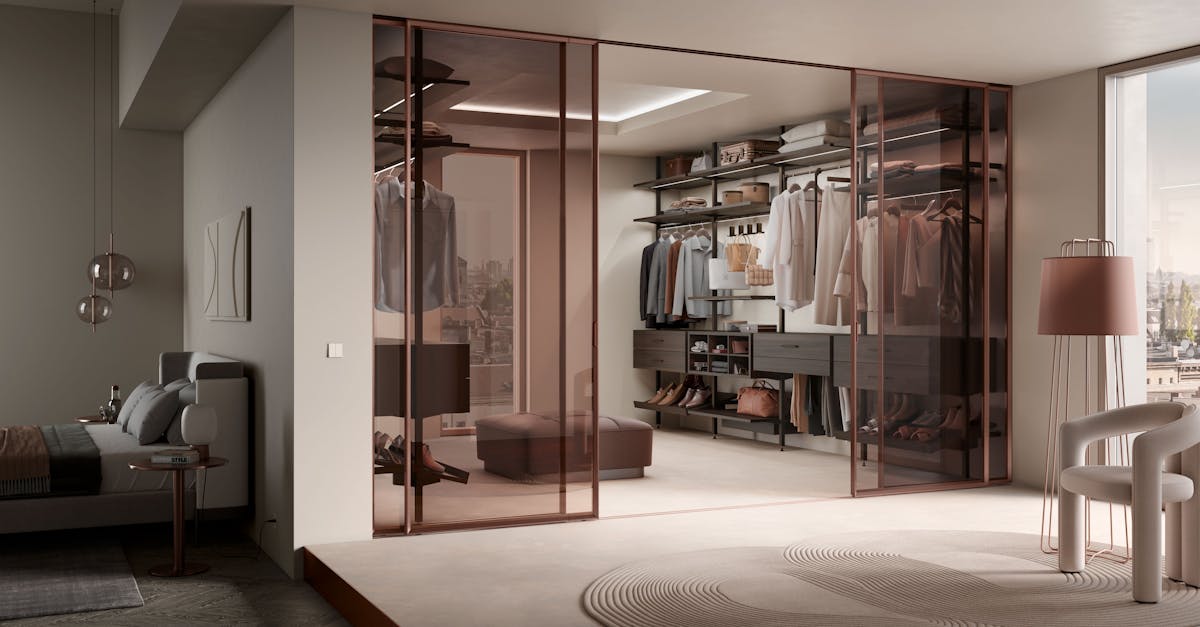
Smart technology is increasingly finding its place in the realm of fitted wardrobes, revolutionising the way people organise and interact with their clothing and accessories. Advanced features such as built-in lighting systems, automated doors, and climate control are becoming more mainstream. These innovations not only enhance convenience but also contribute to a more customised wardrobe experience, allowing users to manage their garments with greater ease and efficiency.
Incorporating smart technology into fitted wardrobes offers solutions to common organisation challenges. For instance, integrated sensors can monitor moisture levels to help preserve delicate fabrics and materials, while app-controlled lighting can create the perfect ambiance for selecting outfits. As more homeowners seek out functional yet innovative design solutions, the demand for high-tech fitted wardrobes continues to rise, making them a popular choice in modern interior design.
The Rise of High-Tech Wardrobes
The rise of high-tech wardrobes is transforming the way people think about storage and organisation in their homes. Fitted wardrobes now come equipped with smart technology, allowing users to control lighting, temperature, and even security features through their smartphones. These innovations enhance user convenience and create a seamless blend of functionality and style, catering to the modern homeowner's desire for efficiency.
Integrating technology into fitted wardrobes can also improve the overall user experience. Features like automatic lighting that activates upon opening doors, as well as built-in sensors that help maintain optimal conditions for clothing preservation, are becoming increasingly common. This shift towards high-tech solutions not only elevates the aesthetic appeal of wardrobes but also offers practical benefits, ensuring garments stay in pristine condition for longer.
Colour Trends
Colour trends play a significant role in the design of fitted wardrobes, with many homeowners opting for hues that reflect their individual style and the overall aesthetic of their living spaces. Neutrals such as soft greys, whites, and beiges remain popular choices, offering versatility and a timeless appeal. These shades create a serene backdrop that allows other elements, such as clothing and accessories, to stand out while keeping the overall design feeling cohesive.
Bold colours are also making a statement in fitted wardrobes, with deep blues, forest greens, and even rich terracotta tones gaining traction among trendsetters. These vibrant palettes add a touch of personality and can transform a standard wardrobe space into a focal point within a room. As people seek to express their unique tastes and create visually stimulating environments, the choice of colour for fitted wardrobes becomes a crucial aspect of the design process.
Popular Palettes for Fitted Wardrobes
Neutral tones are making a significant impact in the realm of fitted wardrobes. Shades like soft greys, beiges and whites create a calming base that complements various styles of decor. These colours can enhance natural light and create a sense of spaciousness, making them ideal for smaller rooms. Additionally, they serve as a versatile backdrop for personal touches, allowing homeowners to accessorise with bolder hues in other elements of the space.
On the other hand, deep, rich colours are emerging as a popular choice for those looking to make a statement with their fitted wardrobes. Dark greens, navy blues, and charcoal blacks add a layer of sophistication and depth to a room. These bold colours can create a dramatic focal point and often work well in contemporary designs. When paired with high-quality materials and finishes, they lend an air of elegance that can transform a standard wardrobe into a striking design feature.
Open vs. Closed Storage
When considering the design of fitted wardrobes, the choice between open and closed storage becomes a significant factor. Open storage allows easy access to clothing and accessories, promoting a personalised display that can serve as a room's aesthetic feature. Items remain visible, which can encourage an organised approach to wardrobe management. This style tends to appeal to those who enjoy showcasing their fashion choices and providing a more casual, inviting atmosphere.
On the other hand, closed storage offers a different appeal, prioritising a clean and cohesive look. Fitted wardrobes with closed doors can help minimise clutter, concealing items that might disrupt a tidy space. This design not only protects clothing from dust and damage but also allows for a more streamlined appearance. For those who appreciate a minimalist aesthetic or require a more discreet storage solution, closed storage in fitted wardrobes can be the ideal choice.
Weighing the Pros and Cons
Fitted wardrobes offer a range of advantages, significantly enhancing the functionality and aesthetic of a space. Their custom design allows for maximum use of available area, making them particularly valuable in smaller rooms. Additionally, the seamless integration into the room’s layout provides a polished and cohesive look. Homeowners appreciate the extensive choice of materials and finishes available, allowing them to tailor the wardrobe to their personal style and interior décor.
Conversely, there are some downsides to consider before investing in fitted wardrobes. The initial cost can be higher compared with free-standing options, which may deter budget-conscious consumers. Once installed, these wardrobes can be challenging to move or alter without incurring additional expenses. This permanence might not appeal to individuals who favour flexibility in their interior design choices.
FAQS
What are some examples of smart technology found in fitted wardrobes?
Smart technology in fitted wardrobes can include built-in lighting systems that adjust automatically, smart mirrors with integrated displays, and automated shelving that can be repositioned at the touch of a button.
What colour trends are currently popular for fitted wardrobes?
Popular colour trends for fitted wardrobes include neutral tones like soft greys and whites, as well as bold colours such as deep navy and emerald green, often complemented by natural wood finishes.
What are the benefits of open storage in fitted wardrobes?
Open storage in fitted wardrobes provides easy visibility and access to items, allows for creative display of accessories, and can create an airy, spacious feel in the room.
Are there any downsides to closed storage options in fitted wardrobes?
Closed storage can sometimes make it difficult to see all your items at a glance, which may lead to a cluttered look if not organised properly. Additionally, it may require more effort to keep items accessible.
How can I choose between open and closed storage for my fitted wardrobe?
Consider your personal style, storage needs, and the overall aesthetic of your room. If you prefer a clean look with items neatly concealed, closed storage may be best. If you enjoy showcasing your wardrobe or need quick access to your items, open storage could be the way to go.