Table Of Contents
Aesthetic Considerations
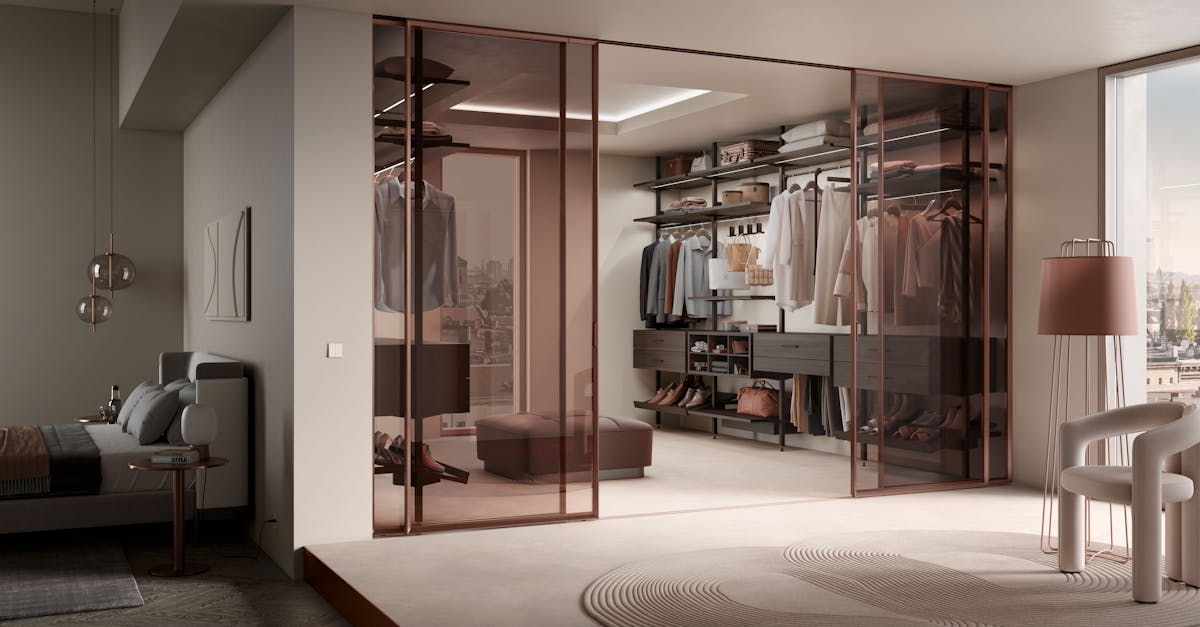
When selecting fitted wardrobes, aesthetics play a crucial role in creating a harmonious living space. The design of the wardrobe should complement the overall decor of the room, including colour schemes, furniture styles, and architectural elements. A well-chosen wardrobe can enhance the visual appeal of a bedroom, serving as a focal point while seamlessly integrating with existing furnishings. Opting for finishes that match or contrast effectively can elevate the room's style.
Moreover, considering the materials and textures used in fitted wardrobes can significantly impact their aesthetic value. Timber offers a warm, inviting look, while sleek laminates can provide a modern touch. Mirror finishes can create the illusion of space, making a room feel larger and brighter. When choosing a fitted wardrobe, it is essential to strike a balance between personal taste and practicality, ensuring that the final design reflects both functionality and aesthetic appeal.
Matching the Wardrobe Design with Your Room Decor
When selecting your fitted wardrobes, consider how the design harmonises with your existing room decor. The choice of materials, colours, and finishes should complement the overall theme of your space. For a contemporary look, sleek lines and high-gloss finishes may suit a modern interior, while a rustic style could benefit from wooden textures and muted tones. Each element you choose can enhance the aesthetic appeal of the room and create a cohesive environment.
Incorporating decorative hardware and personalised details can further tailor your fitted wardrobes to align with the decor. Opt for handles and knobs that reflect your style, whether it be minimalist, vintage, or bold. This attention to detail will make the wardrobe not just a storage solution but also a statement piece in your room. A carefully chosen fitted wardrobe can seamlessly integrate into your space while providing functionality and flair.
Lighting Features
Good lighting is essential in any fitted wardrobe design, as it not only enhances visibility but also showcases the elegance of the space. Built-in lighting options can transform the functionality of your wardrobe, making it easier to find items at a glance. Integrated LED strips along shelves or inside hanging areas provide a contemporary touch while illuminating every corner effectively. Consider motion sensor lights for added convenience, allowing you to access your wardrobe without fumbling for switches.
Incorporating thoughtful lighting solutions into your fitted wardrobes can significantly enhance your daily routine. Soft, ambient lighting creates an inviting atmosphere, while brighter task lighting helps you select outfits during early mornings or late nights. The strategic placement of lighting fixtures also prevents shadows and highlights the wardrobe’s design. With the right lighting, your fitted wardrobe can become a practical yet aesthetically pleasing feature of your home.
Enhancing Visibility with Built-in Lighting
Built-in lighting is a transformative feature for fitted wardrobes, significantly enhancing visibility and making it easier to locate clothing and accessories. Commonly incorporated as LED strips, these lights can be placed along shelves, inside drawers, or at the wardrobe's entrance. The ability to illuminate every corner not only improves functionality but also adds a touch of sophistication to the wardrobe's design.
In addition to practicality, built-in lighting contributes to the overall aesthetics of fitted wardrobes. Dimming options allow users to adjust the brightness according to their preference, creating different ambiances within the space. By selectively highlighting certain items, the lighting can serve as an effective design element, showcasing accessories and clothing while maintaining a clutter-free appearance. This integration of lighting elevates the user experience, turning a practical necessity into a stylish feature.
Budgeting for Your Wardrobe
When considering fitted wardrobes, budgeting plays a crucial role in the selection process. Establishing a spending limit helps narrow down options and ensures that your investment aligns with both your financial capabilities and personal style. It is wise to factor in the costs of materials, design complexity, and installation fees. Prices can vary significantly depending on the quality of finishes and the bespoke nature of the design. Therefore, conducting thorough research to compare different suppliers and their offerings is essential to get the best value for your money.
Evaluating the long-term investment of fitted wardrobes is equally important. While the initial outlay might seem high, consider the durability and functionality they offer in your space. Custom designs often increase home value, making them a smart choice for those who might sell in the future. It’s also beneficial to assess how the wardrobe will adapt to your changing needs over time. Adequate storage can enhance organisation, making daily life smoother and more efficient, which can ultimately lead to a better quality of living in your home.
Evaluating Costs and Long-term Investments
When considering Fitted Wardrobes, it is essential to evaluate both the upfront costs and the long-term value they offer. The initial expense can vary widely based on factors such as materials, design complexity, and additional features. Opting for high-quality materials may result in a higher initial investment, but these choices often lead to greater durability and reduced replacement costs over time. Therefore, it is crucial to weigh the short-term budget against the potential longevity of the wardrobe.
Moreover, Fitted Wardrobes can enhance the overall value of your home. A well-designed wardrobe not only serves its functional purpose but can also elevate the aesthetic appeal of a room. When making your decision, consider the potential return on investment should you decide to sell your property. A custom fitted wardrobe that complements your home's design can attract buyers and justify a higher asking price. Looking at costs through this broader financial lens ensures that you make a wise long-term investment.
FAQS
What should I consider when matching the wardrobe design with my room decor?
When matching your wardrobe design with your room decor, consider the overall style, colour scheme, and materials used in your room. Choose a wardrobe that complements these elements and enhances the existing aesthetic without overwhelming the space.
How can built-in lighting improve my fitted wardrobe?
Built-in lighting can significantly enhance visibility within your fitted wardrobe, making it easier to see and access your clothing and accessories. It can also create a warm and inviting atmosphere, helping to showcase your wardrobe's contents and make your space more functional.
What factors should I consider when budgeting for a fitted wardrobe?
When budgeting for a fitted wardrobe, consider the materials, design complexity, and any additional features like lighting or custom shelving. It's important to evaluate both the initial costs and any long-term investments, such as durability and maintenance, to ensure you're making a sound financial decision.
Are there any specific materials that are recommended for fitted wardrobes?
Common materials for fitted wardrobes include MDF, plywood, and solid wood. When selecting materials, consider durability, maintenance, and how well they align with your room's decor. High-quality materials may have a higher upfront cost but can offer better longevity.
How can I maximise storage space in my fitted wardrobe?
To maximise storage space in your fitted wardrobe, consider using adjustable shelves, built-in drawers, and hanging rods of varying heights. Incorporating dividers and baskets can also help organise smaller items, ensuring every inch of space is utilised efficiently.