Table Of Contents
Implement Smart Storage Solutions
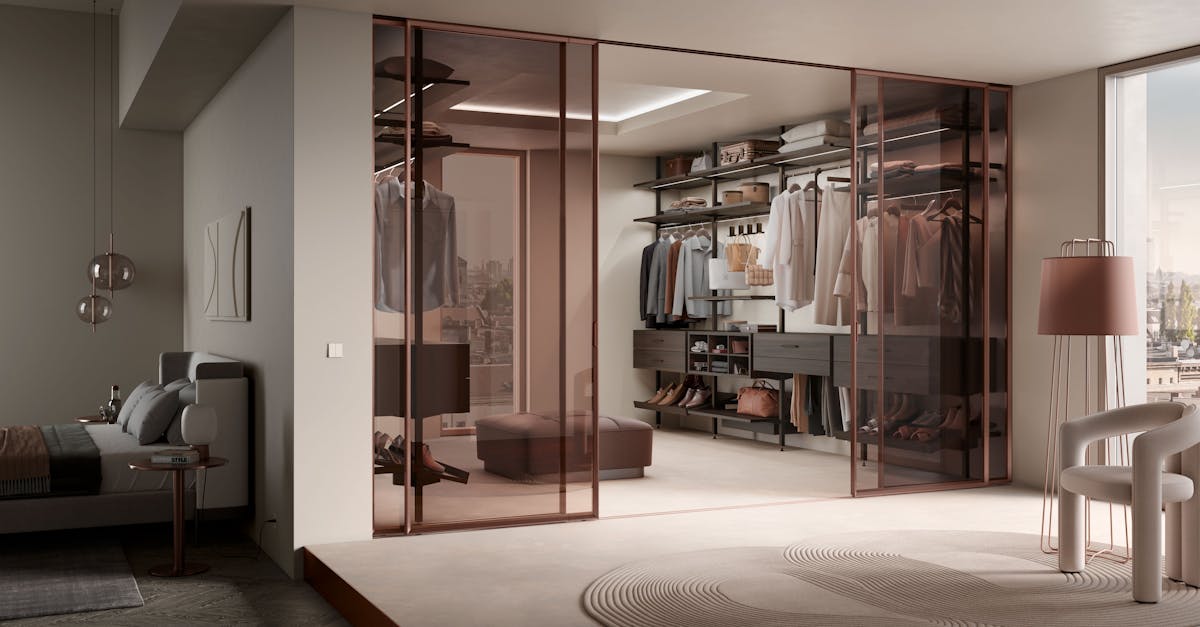
When designing fitted wardrobes, utilising smart storage solutions is essential for maximising space and organisation. Consider incorporating adjustable shelving, which can accommodate various items like shoes, handbags, and accessories. Drawers with dividers can help keep smaller items in place, preventing clutter and making it easier to find essentials. Additionally, using vertical space with hooks or racks for belts and scarves not only saves room but also keeps items visible and easily accessible.
Another effective storage solution involves leveraging the often-overlooked areas within fitted wardrobes. For example, consider beneath-hanging garments or the top shelves for seasonal items or less frequently used belongings. Installing pull-out baskets can simplify access to deeper sections, ensuring that items at the back aren't forgotten. Mirrors can also serve a dual purpose, helping to make the space appear larger while providing functionality in your fitted wardrobes.
Ideas for Accessing Smaller Spaces
Fitted wardrobes often come with nooks and crannies that can be challenging to utilise effectively. Consider using tiered storage solutions or small baskets for these tight spaces. Clear plastic containers can also help in identifying contents easily without rummaging through every item. Employing pull-out shelves can maximise accessibility, allowing you to access items in the back without difficulty. Such adjustments ensure that every corner of your fitted wardrobe is used to its full potential.
Vertical space should not be overlooked in the design of your fitted wardrobes. Adding hooks or pegboards on the inside of the doors can offer handy spots for accessories or smaller garments. Similarly, slim hangers can help free up horizontal space, creating a neater appearance while keeping clothes visible. Incorporating these ideas not only enhances accessibility but also adds a touch of organisation that transforms cluttered wardrobes into streamlined, functional spaces.
Maintain Accessibility
Accessibility is vital for an efficient wardrobe. Fitted wardrobes should allow easy reach to frequently worn items. Organising clothing by category or colour enhances visibility. Using clear plastic boxes for accessories ensures that small items are not lost in the mix. Installing hooks or small racks on the inside of doors can also provide additional space for bags or scarves, making everything easier to grab on the go.
Daily use is best facilitated by placing essential clothing items at eye level. This ensures that you can quickly find what you need without rummaging through the entire wardrobe. Fold bulky items neatly on shelves and utilise drawer dividers for smaller pieces. Regularly assessing the arrangement helps maintain order and keeps clutter at bay, allowing fitted wardrobes to remain a practical and stylish feature in your home.
Arranging Clothes for Daily Use
Optimising the arrangement of clothing within fitted wardrobes can significantly enhance daily efficiency. Consider grouping items by the type of clothing, such as separating tops, bottoms, and outerwear. This method simplifies the selection process, allowing for quick decision-making, especially during busy mornings. It is also beneficial to arrange frequently worn pieces at eye level for easy access, while less used items can be stored higher or lower, creating a practical visual hierarchy.
Another effective strategy involves using uniform hangers for shirts and dresses. This not only provides a tidy appearance but also prevents garments from slipping off and becoming creased. Additionally, storing accessories like ties, belts, and scarves in dedicated compartments or hanging organisers can maximise space within fitted wardrobes. This approach ensures that everything is easily reachable, making it simpler to coordinate outfits and maintain a neat, accessible wardrobe.
Incorporate Seasonal Rotation
Incorporating seasonal rotation in fitted wardrobes can significantly enhance efficiency. Start by assessing your wardrobe space to identify sections dedicated to different seasons. Clothes for the current season should be easily accessible while off-season items can be stored out of the way. Using uniform storage boxes or vacuum-sealed bags helps keep these items organised. Label each storage solution to ensure quick identification when transitioning between seasons.
To further streamline the process, consider the fabric types and usage frequency. Heavier winter clothing can be stored towards the back of the fitted wardrobes during summer, while lighter garments should be front and centre. This method not only saves time when selecting outfits but also protects your clothes from potential wear. Regularly reviewing your seasonal items will also ensure that everything remains relevant and suitable for each passing season.
Storing Off-Season Clothing Efficiently
Maximising space in fitted wardrobes becomes essential when it comes to off-season clothing. Consider using vacuum-sealed bags to compress bulky items such as winter coats or thick jumpers. This technique not only reduces the amount of space required but also protects the garments from dust and moisture. For items that don't require such a drastic solution, storage bins or boxes can be useful. Label each container to make future access smoother and prevent rummaging through multiple boxes.
Utilising the top shelves of fitted wardrobes is another practical way to store off-season clothing. Place infrequently used items like summer dresses or shorts in bins that are tucked away. Install sturdy hooks or dividers on the inside of wardrobe doors to hang accessories that correspond to those seasonal outfits. This approach keeps everything organised and neatly stored while maintaining the integrity of the wardrobe space throughout the year.
FAQS
What are some smart storage solutions for a fitted wardrobe?
Smart storage solutions include using vertical space with shelves, installing hooks for accessories, and incorporating drawer dividers to keep items organised and easily accessible.
How can I access smaller spaces in my fitted wardrobe?
Accessing smaller spaces can be achieved by using slim storage bins, stackable boxes, and pull-out baskets, which allow you to maximise every inch of your wardrobe while keeping items visible and within reach.
What is the best way to arrange clothes for daily use in my wardrobe?
To maintain accessibility, arrange your clothes by category (e.g., workwear, casual, evening) and by frequency of use, placing daily wear items at eye level and more occasional pieces higher up or towards the back.
How often should I rotate seasonal clothing in my fitted wardrobe?
It’s ideal to rotate your clothing at the start of each new season, typically every three months, to keep your wardrobe current and to ensure that off-season items are stored efficiently without taking up valuable space.
What are some efficient methods for storing off-season clothing?
Efficient methods for storing off-season clothing include using vacuum-sealed bags, storing items in under-bed boxes, or designating a specific section of the wardrobe for these pieces to keep them out of the way until needed.