Table Of Contents
Professional vs. DIY Installation
When opting for fitted wardrobes, one of the primary decisions is whether to hire a professional or tackle the installation as a DIY project. Professional installers bring a wealth of experience and expertise, ensuring that the wardrobe is fitted perfectly and efficiently. They have access to specialised tools and know-how to handle any unforeseen issues during the installation process. This can save homeowners a considerable amount of time and stress, especially for those unfamiliar with carpentry or cabinetry work.
On the other hand, DIY installation of fitted wardrobes can be an appealing option for those who enjoy hands-on projects and wish to save on labour costs. With a good plan in place, detailed instructions, and the right tools, it is possible to achieve satisfactory results. However, the lack of professional guidance can lead to common pitfalls, such as misaligned doors or inadequate space management. Those opting for this route should be prepared for a potentially steep learning curve while ensuring that they adhere strictly to safety precautions.
Pros and Cons of Each Approach
When considering the installation of fitted wardrobes, opting for professional services often ensures a higher level of precision and quality. Experienced installers can tailor the wardrobe to maximise space and functionality, accommodating specific room dimensions and personal preferences. They handle everything from design to installation, which can save time and alleviate the stress of managing the project. However, this convenience typically comes with a higher price tag, and scheduling might be challenging depending on the availability of the tradesperson.
On the other hand, choosing a DIY approach can be a cost-effective solution for those with some skills in home improvement. Installing fitted wardrobes independently allows for greater control over the process, from design choices to final touches. This hands-on method can be rewarding and fulfilling for many homeowners. Yet, without professional training, there may be risks related to measurements, assembly, and long-term durability. These factors can result in potential rework or substandard results if not executed properly.
Cost Considerations
When considering the installation of fitted wardrobes, it's essential to assess the associated costs carefully. Factors like the materials used, storage capacity, and customisation options significantly influence the overall price. Utilising high-quality timber or durable materials may initially elevate costs, yet they often provide longevity and durability that cheaper alternatives cannot match. The complexity of the design and the inclusion of additional features such as lighting or integrated shelving can also drive up expenses.
In addition to the initial investment, it's wise to factor in potential maintenance costs over time. Proper care can extend the lifespan of fitted wardrobes, making regular upkeep crucial. Dusting, cleaning surfaces, and checking for any misalignments are simple steps that prevent bigger issues in the future. Investing in maintenance not only ensures a polished appearance but can also save money on repairs down the track. Understanding both initial and ongoing costs will help create a clearer budget for your fitted wardrobes project.
Factors Influencing Fitted Wardrobe Prices
The cost of fitted wardrobes can vary significantly based on several factors. One primary consideration is the materials used for construction. Premium materials, such as solid timber or high-quality MDF, tend to increase the overall expense. Customisation options also play a crucial role, as bespoke designs tailored to specific spaces or styles may incur additional charges when compared to standard models.
Another aspect affecting fitted wardrobe prices is the complexity of the installation process. Wardrobes that require intricate designs or unique configurations may involve higher labour costs due to the skill needed for proper installation. Furthermore, location can influence pricing, with tradespeople in larger cities typically charging more than those in regional areas. Ultimately, assessing these factors will help in determining a realistic budget for fitted wardrobes.
Maintenance Tips for Fitted Wardrobes
Fitted wardrobes require consistent maintenance to ensure they remain functional and visually appealing. Regularly dusting shelves and hanging areas prevents the accumulation of dirt and dust, which can lead to wear over time. For the wooden components, using a soft cloth and a suitable furniture polish helps maintain their natural lustre. Checking the hinges and sliding mechanisms periodically ensures that they operate smoothly, addressing any minor issues before they escalate.
Humidity can be a concern, particularly in regions with fluctuating weather. Controlling moisture levels around fitted wardrobes can prevent damage such as warping or mould growth. If your fitted wardrobe is situated in a particularly damp area, consider using dehumidifiers or moisture absorbers to maintain optimal conditions. Properly organising items stored within can also enhance airflow and reduce the risk of mould.
Keeping Your Wardrobe in Top Condition
Maintaining fitted wardrobes is essential for ensuring their longevity and functionality. Regularly checking for dust accumulation and cleaning surfaces will help preserve their appearance. Use a soft cloth or a gentle cleaner to prevent damage to the finish. Inspecting the hardware, such as hinges and handles, can also prevent minor issues from escalating into major repairs.
Temperature and humidity can affect the materials of fitted wardrobes. Avoid placing them in areas with extreme temperature fluctuations. Keeping them away from direct sunlight can help prevent fading. For wooden wardrobes, applying a suitable polish every few months can enhance their natural beauty. Regular maintenance and attention to detail will ensure your fitted wardrobes remain in excellent condition.
FAQS
What is a fitted wardrobe?
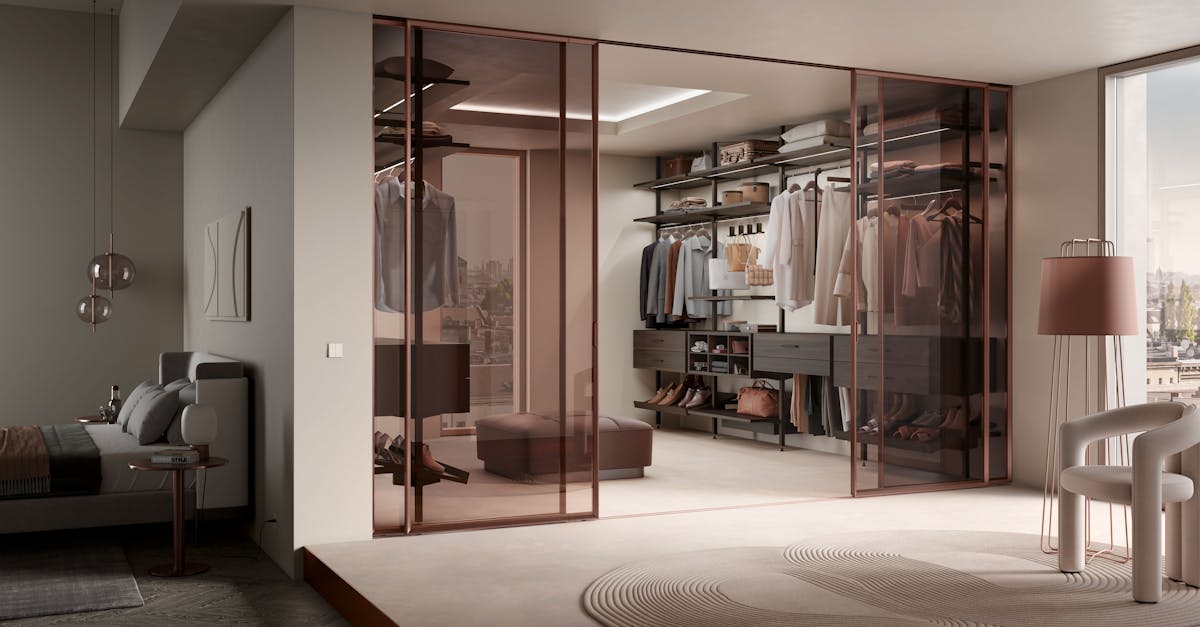
A fitted wardrobe is a custom-built storage solution that is designed to fit seamlessly into a specific space in your home, often built from floor to ceiling and tailored to your storage needs.
Should I hire a professional for fitted wardrobe installation?
It depends on your skills and comfort level. Hiring a professional can ensure a high-quality finish and proper installation, while a DIY installation can save costs if you have the necessary tools and experience.
What are the typical costs associated with fitted wardrobe installation?
Costs can vary widely based on materials, size, and complexity of the design. On average, fitted wardrobes can range from a few hundred to several thousand dollars, depending on your choices.
How can I maintain my fitted wardrobe?
Regular maintenance includes cleaning surfaces with gentle cleaners, checking for loose fixtures, and ensuring that doors and drawers open smoothly. Avoid overloading shelves to maintain their integrity.
What factors influence the price of a fitted wardrobe?
Factors include the materials used (such as wood or laminate), the size of the wardrobe, the complexity of the design, and any additional features like lighting or internal fittings.