Table Of Contents
Protecting Wardrobes from Humidity and Moisture
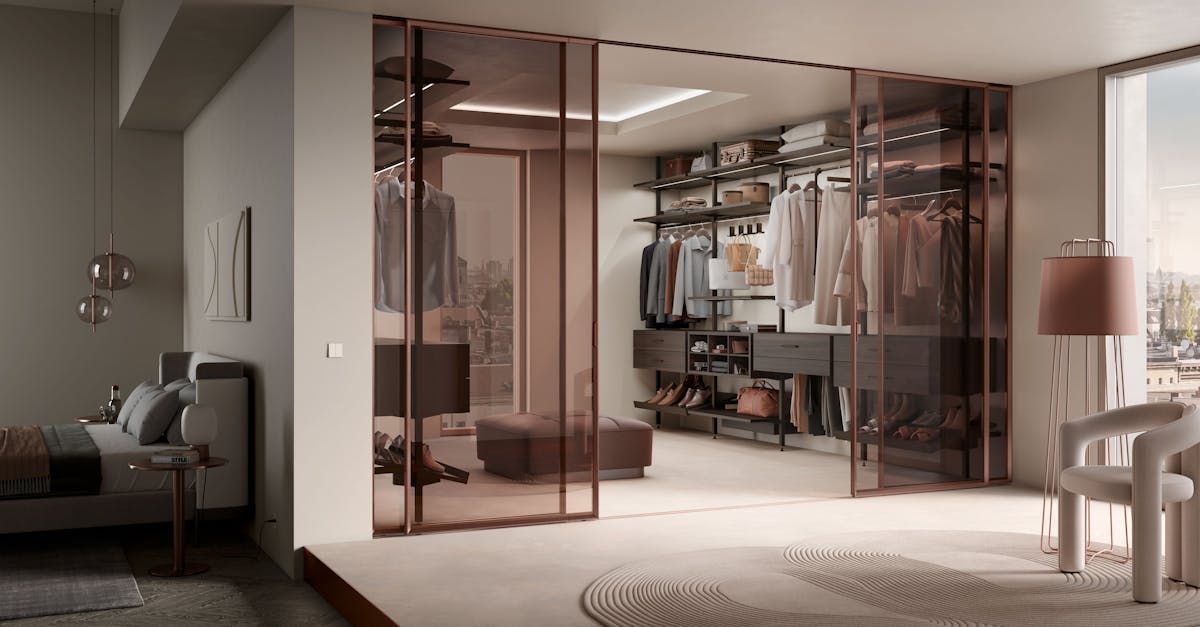
Fitted wardrobes can be particularly susceptible to humidity and moisture issues, which may lead to damage over time. Excessive moisture can cause wood to warp, metals to corrode, and mould to develop, all of which compromise the integrity of the wardrobe. To combat these risks, it's crucial to maintain an optimal humidity level in the room where the wardrobes are installed. Use dehumidifiers or silica gel packets to absorb excess moisture, especially in areas prone to dampness.
In addition to moisture control, ensure that fitted wardrobes are not in direct contact with sources of humidity, such as bathrooms or kitchens. Installing moisture barriers or using paint designed to withstand such conditions can offer added protection. Regularly inspecting for any signs of water damage is essential, as early detection can prevent more extensive repairs or replacements. Taking these precautionary measures will help ensure the longevity and durability of your fitted wardrobes.
Effective Ways to Manage Humidity Levels
Controlling humidity levels is essential for preserving the integrity of fitted wardrobes. One effective approach is to utilise dehumidifiers, particularly in spaces that are prone to excessive moisture. Placing these devices strategically within your home can help to maintain an optimal humidity balance. Additionally, using silica gel packets in wardrobes can absorb excess moisture, providing a simple yet efficient solution to manage humidity.
Another practical strategy is to monitor humidity levels with hygrometers. These devices offer real-time readings, allowing you to take immediate action if levels rise too high. Installing exhaust fans in areas like bathrooms and kitchens also aids in reducing humidity, helping to prevent it from seeping into surrounding spaces. Regularly airing out fitted wardrobes by keeping doors slightly ajar can promote air circulation, further combating humidity and moisture build-up.
The Importance of Proper Ventilation
Proper ventilation is crucial for the longevity of fitted wardrobes. Without adequate airflow, moisture can build up in enclosed spaces, resulting in mould growth and unpleasant odours. This trapped humidity can damage the materials used in the construction of the wardrobes, compromising their structural integrity and aesthetics. Ensuring that your fitted wardrobes have sufficient ventilation helps maintain a dry and healthy environment, which is essential for preserving your clothing and accessories stored inside.
To enhance airflow, consider incorporating vents or small openings in the design of your fitted wardrobes. This allows air to circulate freely, preventing stagnation and humidity buildup. Additionally, keeping the wardrobe doors slightly ajar when not in use can further assist in maintaining good ventilation. Regularly checking for signs of moisture or dampness will also help you identify any potential issues early, ensuring your fitted wardrobes remain in excellent condition for years to come.
Techniques to Enhance Airflow
Enhancing airflow in fitted wardrobes is essential for preventing moisture buildup and promoting durability. One effective technique involves leaving the doors slightly ajar when not in use. This allows air to circulate freely within the wardrobe, reducing stagnant conditions that may lead to mould growth. Additionally, consider incorporating small, discreet vents in the wardrobe design. These vents permit natural airflow without compromising the aesthetics of the space.
Another method to boost ventilation is by using a small fan placed near the wardrobe. This can help to maintain a consistent flow of air, especially in areas prone to humidity. Using breathable materials, such as cotton or linen, for storage bags can also prevent moisture accumulation around clothes. Regularly checking for any obstructions that might block airflow is necessary to ensure your fitted wardrobes remain in optimal condition.
Maintaining Hinges and Hardware
Maintaining hinges and hardware is essential for the smooth operation of fitted wardrobes. Regularly inspecting these components can prevent issues such as squeaking, sticking, or misalignment. When hinges become worn, they can lead to doors that don’t close properly or have gaps that allow dust and moisture to enter. Checking tightness and replacing any damaged hinges promptly will help ensure the longevity of your wardrobe.
Lubrication is another critical aspect to consider in the upkeep of fitted wardrobes. Applying an appropriate lubricant, such as silicone spray or a light oil, to the hinges will keep them functioning quietly and efficiently. Over time, dirt and dust can accumulate, so cleaning these areas before lubrication is beneficial. Ensuring all hardware is well-maintained contributes significantly to the overall functionality and appearance of fitted wardrobes.
Best Practices for Lubrication and Tightening
Regular maintenance of the hinges and hardware in fitted wardrobes is essential for ensuring their functionality and longevity. It is advisable to inspect these parts at least twice a year, looking for signs of wear or rust. Keeping the hinges clean from dust and grime can prevent unnecessary friction, allowing for smooth operation. A light application of lubricant, such as silicone spray or a specific hinge lubricant, can help in creating a protective barrier against moisture while also facilitating easier opening and closing of doors.
In addition to lubrication, tightening loose screws and fittings is crucial in maintaining the structural integrity of fitted wardrobes. Over time, repeated use can cause screws to loosen, leading to misalignment and compromised function. Using the appropriate screwdriver, check each hinge and hardware connection, ensuring that everything is secure without being overtightened. This practice not only prolongs the life of the components but also enhances the overall performance of the wardrobes. Keeping these elements in check ensures your fitted wardrobes remain in excellent condition for many years.
FAQS
How can I protect my fitted wardrobe from humidity and moisture?
To protect your fitted wardrobe from humidity and moisture, consider using a dehumidifier in the room, ensuring proper ventilation, and using moisture-absorbing products like silica gel or activated charcoal.
What are some effective ways to manage humidity levels in my wardrobe?
Effective ways to manage humidity levels include regularly checking the humidity with a hygrometer, using moisture absorbers, keeping wardrobe doors slightly ajar when not in use, and ensuring good airflow around the wardrobe.
Why is proper ventilation important for fitted wardrobes?
Proper ventilation is crucial for fitted wardrobes as it helps to prevent mould and mildew growth by allowing moisture to escape, thereby prolonging the life of your wardrobe and protecting your stored items.
What techniques can I use to enhance airflow in my wardrobe?
Techniques to enhance airflow include installing small vents, using shelving that allows space for air movement, and placing wardrobe contents in a way that avoids overcrowding.
How should I maintain the hinges and hardware of my fitted wardrobe?
To maintain the hinges and hardware of your fitted wardrobe, regularly check for looseness, tighten screws as needed, and apply lubricant to moving parts to ensure smooth operation and prevent rust.