Table Of Contents
Choosing the Best Placement for Lights
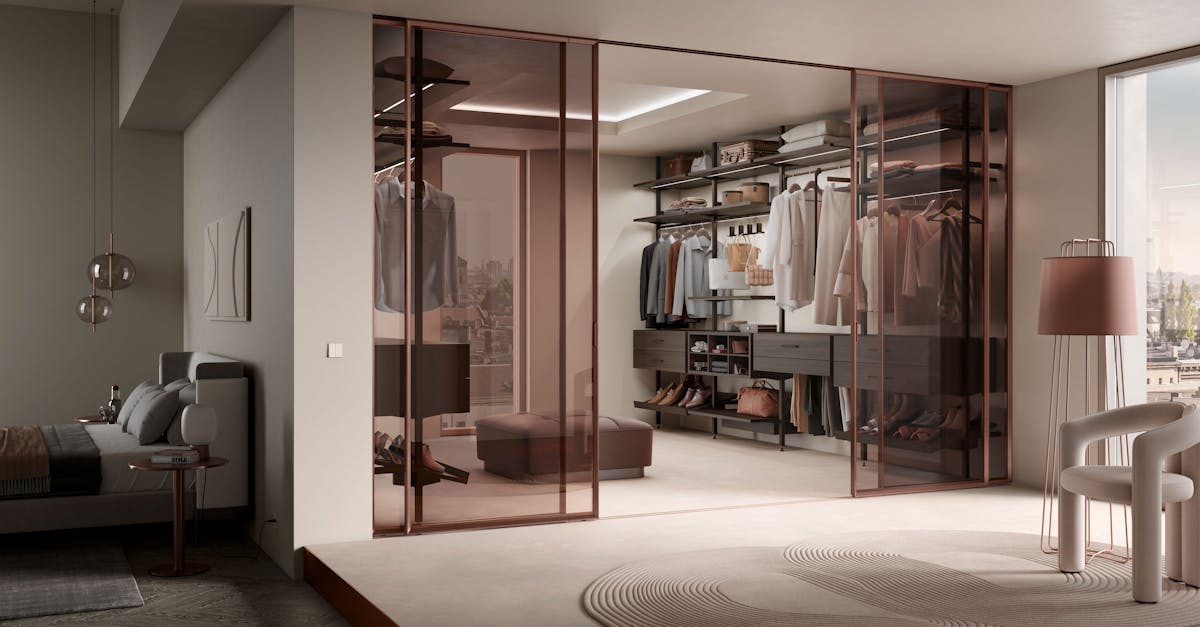
The placement of lights in fitted wardrobes is crucial for achieving optimal visibility and aesthetics. Positioning lights at the top can create an even wash of illumination that highlights the entire space. Side-mounted lights, on the other hand, can effectively illuminate the contents of the wardrobe, especially if shelves or hanging areas are deep. Inside-mounted fixtures can also provide targeted lighting, ensuring that all corners are well-lit, making it easier to find items and maintain organisation.
When choosing the best placement for lights, consider the layout and design of your fitted wardrobes. Maximising natural light through reflective surfaces will enhance the overall brightness. Additionally, incorporating lights at varying heights can add depth and dimension. Taking the time to plan the lighting layout will enhance both functionality and visual appeal, making it a vital aspect of wardrobe design.
Top, Side, and Inside Mounting Considerations
Properly positioning lights in fitted wardrobes can significantly enhance both functionality and aesthetics. When mounting lights on the top, consider the ceiling height and the overall design of the wardrobe. Top-mounted lights provide even and shadow-free illumination, making it easier to see clothing and accessories. It’s essential to measure the depth of the wardrobe so that the light reaches every corner, especially if the space is particularly deep.
Side-mounted lights offer a different advantage by drawing attention to specific features within the fitted wardrobes, such as shelves or hanging spaces. These lights can be strategically placed to highlight particular items or sections, providing both practicality and style. Inside mounted lights are great for illuminating the interior directly, ensuring that every section is well-lit. Using LED strip lights or small spotlights inside can create a cohesive look while also making the wardrobe visually appealing and easy to navigate.
Incorporating Smart Lighting Solutions
Smart lighting solutions can transform the functionality of your fitted wardrobes by providing both convenience and modern appeal. With options like motion sensors and app-controlled lighting, users can enjoy a hands-free experience that enhances visibility when accessing garments and accessories. Dimmers can also be incorporated to create the perfect ambiance, allowing you to adjust brightness levels according to your needs.
Another advantage of smart lighting is the potential for energy savings. Many smart systems allow for scheduling and remote control, so lights can be programmed to turn off when not in use. This feature is particularly beneficial in fitted wardrobes, where lights may otherwise be left on accidentally. By integrating smart technology, you not only improve the usability of your wardrobe but also contribute to reducing energy consumption in your home.
Benefits of Using Smart Technology
Smart technology offers a range of benefits that elevate the functionality and convenience of fitted wardrobes. Integrated systems can enable remote control of lighting, allowing homeowners to adjust brightness and ambience through a smartphone app or voice command. This flexibility helps achieve the desired atmosphere in the wardrobe space. Furthermore, smart lighting can be programmed to turn on and off at specific times, which enhances security when you're away from home and ensures lights are never left on unnecessarily.
In addition to convenience, smart lighting solutions often come with energy-efficient features that contribute to cost savings. Many smart bulbs and fixtures are designed to consume less energy compared to traditional options, which is beneficial for environmentally conscious homeowners. For fitted wardrobes, the ability to tailor lighting settings not only improves efficiency but also prolongs the life of each bulb, reducing replacement costs over time. Adopting smart technology in your wardrobe can create a more personalised and sustainable storage environment.
Considering Energy Efficiency
When selecting lighting for fitted wardrobes, energy efficiency should be a key consideration. LED fixtures are often the best choice due to their long lifespan and low power consumption. They provide bright illumination while using significantly less energy than traditional incandescent bulbs. This factor not only reduces energy costs but also contributes to a more sustainable living environment. The ability to pair these lights with motion sensors also enhances their efficiency, ensuring lights only activate when needed.
In addition to energy-efficient bulbs, consider the placement of lighting fixtures within your fitted wardrobes. Strategically positioning lights can optimise illumination without excessive usage. Utilising fixtures that direct light towards the clothes and accessories can reduce the number of lights needed, further saving energy. Balancing aesthetic appeal with functionality is essential to create an efficient and attractive wardrobe space.
Cost-Effective Lighting Choices
When selecting lighting for fitted wardrobes, opting for energy-efficient LED bulbs can significantly reduce electricity consumption without compromising brightness. These bulbs tend to have a longer lifespan compared to traditional incandescent options, resulting in lower overall replacement costs. Additionally, LEDs emit less heat, making them a safer choice for enclosed spaces such as wardrobes. Their versatility allows for various colour temperatures, ensuring you can achieve the desired ambiance while maintaining practicality.
Another cost-effective measure involves incorporating motion sensors into your fitted wardrobes. These sensors activate the lights automatically when the doors are opened, conserving energy when the wardrobe is not in use. This convenient feature not only enhances usability but also contributes to long-term savings on energy bills. By investing in smart solutions and efficient lighting technologies, you can create a stylish and functional wardrobe space without overspending.
FAQS
What are the best placements for lighting in a fitted wardrobe?
The best placements for lighting include top-mounted fixtures for overall illumination, side-mounted lights for highlighting specific areas, and inside-mounted lights to enhance visibility within drawers and shelves.
How do I choose between smart lighting and traditional lighting for my wardrobe?
Smart lighting offers convenience, as you can control it via smartphone apps or voice commands. Traditional lighting is often simpler and more affordable upfront, but lacks the advanced features of smart technology.
What are the benefits of using smart technology for wardrobe lighting?
Benefits of smart technology include remote control, customisable settings, energy monitoring, and the ability to integrate with other smart home devices, enhancing both convenience and energy efficiency.
What energy-efficient lighting options are available for fitted wardrobes?
Energy-efficient options include LED lights, which consume less power and have a longer lifespan than traditional incandescent bulbs, making them a cost-effective choice over time.
How can I make cost-effective choices when selecting wardrobe lighting?
To make cost-effective choices, consider using LED fixtures, opting for multi-functional smart lights, and ensuring that your lighting is strategically placed to minimise the number of fixtures needed while maximising illumination.