Table Of Contents
Maintenance Tips for Longevity
Regular maintenance is essential for extending the lifespan of fitted wardrobes. Dusting shelves and surfaces with a soft cloth prevents the build-up of dirt and debris that can tarnish finishes. Periodically checking hinges and tracks ensures that doors operate smoothly, while tightening any loose screws keeps the structure secure. Avoiding excessive moisture in the vicinity helps to prevent warping, particularly in wooden materials.
Cleaning solutions used on fitted wardrobes should be chosen carefully. Opt for mild detergents that won't damage the finish or the integrity of the materials. For leather or fabric finishes, using a designated cleaner protects against stains while preserving the texture. Keeping the interiors organised reduces wear and tear, as overstuffing can strain hinges and shelves. Implementing these maintenance tips ensures that fitted wardrobes remain functional and aesthetically pleasing over time.
Caring for Different Wardrobe Materials
Caring for different materials used in fitted wardrobes is essential for ensuring their longevity and maintaining their appearance. For wooden wardrobes, regular dusting with a soft cloth helps to prevent the build-up of grime. Using appropriate cleaning products designed for wood can enhance shine while minimising the risk of damage. Additionally, it is advisable to avoid direct sunlight, as it can cause fading and warping over time.
When it comes to fabric or upholstered surfaces, gentle vacuuming can effectively remove dust without harming the material. Stains should be treated promptly using suitable fabric cleaners, and larger spills may require professional cleaning services to prevent lasting damage. Fitted wardrobes that incorporate glass or mirrored elements should be cleaned with a non-abrasive glass cleaner, ensuring streak-free results while preserving their aesthetic appeal.
Cost Breakdown of Fitted Wardrobe Solutions
The cost of fitted wardrobes can vary significantly based on a range of factors including materials, design complexity, and customisation options. Basic models might be more budget-friendly but often lack the sophisticated features found in premium offerings. Homeowners keen on bespoke solutions may find themselves investing in higher-quality materials like solid timber or high-gloss finishes, impacting the overall price. The size of the wardrobe also plays a crucial role, with larger installations typically commanding a higher cost due to additional materials and labour requirements.
Installation costs for fitted wardrobes should also be factored into the overall budget. Professional installation can ensure that the wardrobes are fitted perfectly, maximising both aesthetics and functionality. Some companies may offer design consultation services, which can add to costs but often result in more tailored solutions. Understanding these various components helps homeowners make informed decisions about their investment in fitted wardrobes, ensuring they choose the right options for their space and lifestyle.
Factors Influencing Pricing
The pricing of fitted wardrobes is influenced by a variety of factors, each contributing to the overall cost. Materials play a significant role, with options ranging from budget-friendly MDF to premium solid wood. The complexity of the design also impacts the price; bespoke solutions that require precise measurements and intricate detailing tend to be more expensive than standard models. Furthermore, the inclusion of additional features such as built-in lighting or customised shelving systems can drive up the cost.
Labour costs are another critical aspect of fitted wardrobes pricing. Hiring skilled craftsmen for installation can vary based on location and expertise. Timing can influence costs too; potential discounts may be available during off-peak seasons when demand is lower. Finally, brands and retailers may have different pricing structures based on their reputation and service offerings, all affecting the final budget for a fitted wardrobe solution.
Space-Saving Features to Consider
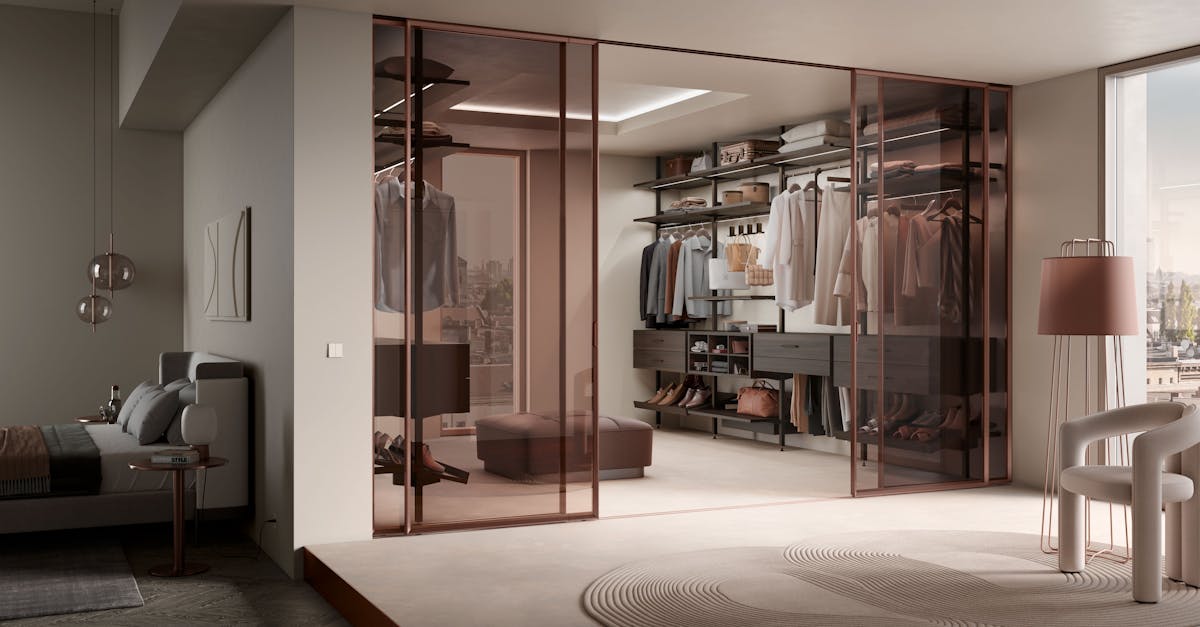
Fitted wardrobes offer numerous space-saving features that can significantly enhance the functionality of a bedroom. One popular option is the installation of sliding doors, which eliminate the need for swing space, making the most of tight areas. Additionally, incorporating vertical storage solutions such as tall shelves and hooks maximises unused wall space, providing more room for clothing and accessories while maintaining a clean aesthetic.
Another innovative feature to consider is modular shelving systems, allowing users to customise the interior layout according to their specific needs. Adjustable shelving can accommodate a variety of items, from shoes to folded clothes, contributing to a more organised and accessible storage solution. Utilising built-in drawers and hidden compartments further enhances the space efficiency of fitted wardrobes, ensuring every inch of space serves a practical purpose.
Innovative Organisational Tools
Innovative organisational tools can significantly enhance the functionality of fitted wardrobes. Custom drawer dividers can help maintain order by keeping items separated. These dividers adapt to various compartment sizes, catering to clothes, accessories, and other belongings. Adjustable shelving makes it easy to modify the space according to personal needs, promoting an efficient use of vertical areas that are often overlooked.
Incorporating pull-out baskets and trays allows for easy access to frequently used items. These features reduce the need to rummage through the wardrobe, saving time and preserving the quality of garments. Fitted wardrobes can also include built-in hanging accessories, such as hooks or rails, which optimise space while providing practical solutions for organising belts, ties, and jewellery. Each of these tools contributes to a well-structured system within the fitted wardrobe, making daily routines more streamlined.
FAQS
What are the main benefits of multi-functional fitted wardrobe solutions?
Multi-functional fitted wardrobes maximise storage space, provide tailored organisation, and enhance the overall aesthetics of a room, making them ideal for various needs and preferences.
How can I maintain my fitted wardrobe for longevity?
Regular cleaning, avoiding excessive moisture, and using appropriate care products for different materials are essential maintenance tips to prolong the life of your fitted wardrobe.
What factors influence the cost of fitted wardrobe solutions?
The cost can vary based on factors such as the materials used, design complexity, size, and additional features like built-in lighting or custom organisational tools.
What are some innovative organisational tools I should consider for my fitted wardrobe?
Consider options like pull-out racks, adjustable shelving, drawer dividers, and built-in shoe storage to enhance organisation and make the most of your wardrobe space.
How do I choose the right materials for my fitted wardrobe?
When selecting materials, consider durability, maintenance requirements, and how well they complement your existing décor. Popular options include wood, MDF, and laminate, each with its own advantages.